Verzuu, Jacobus Johannes Josephus (Ko) 1901-1971 NL.

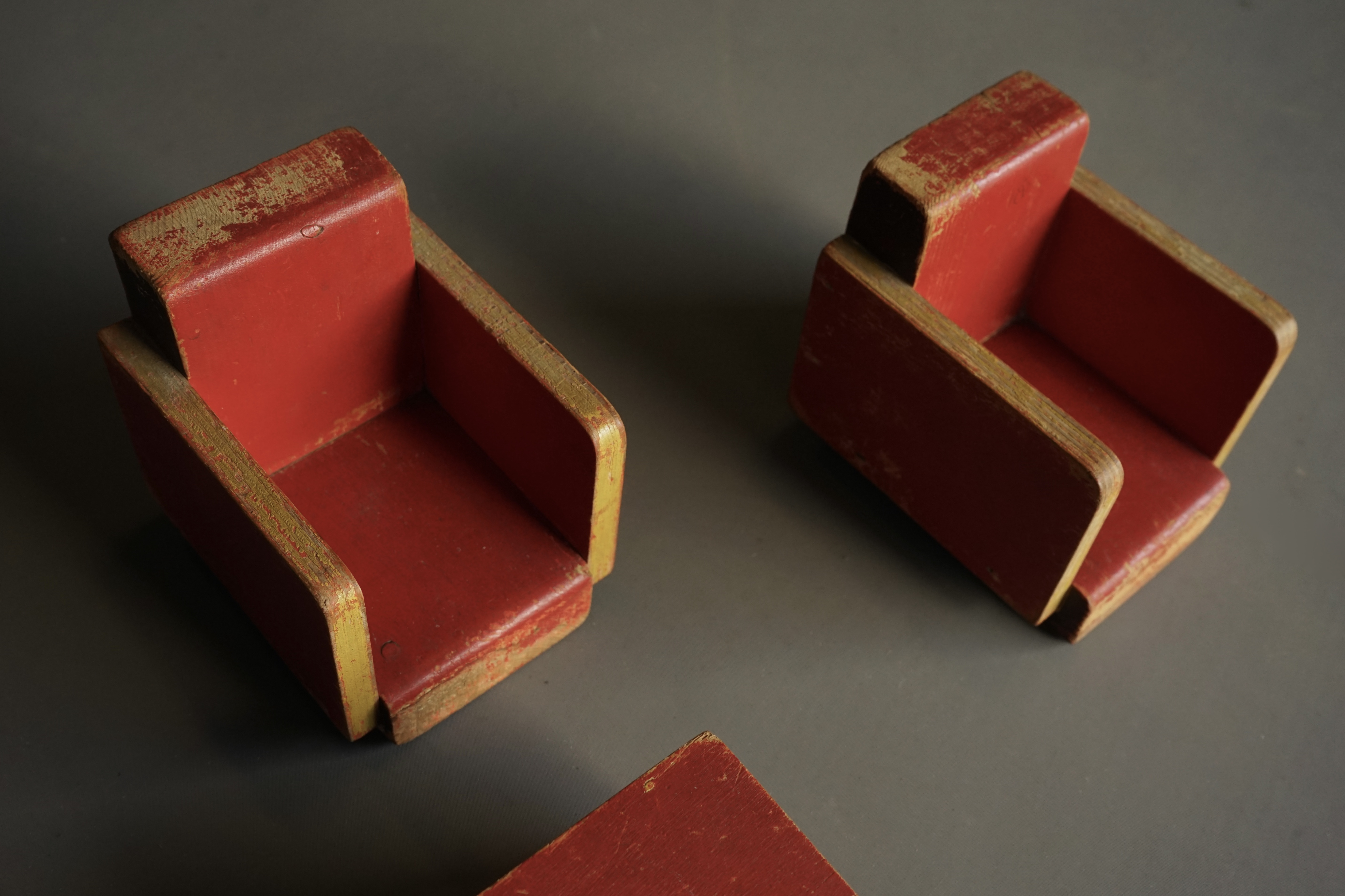
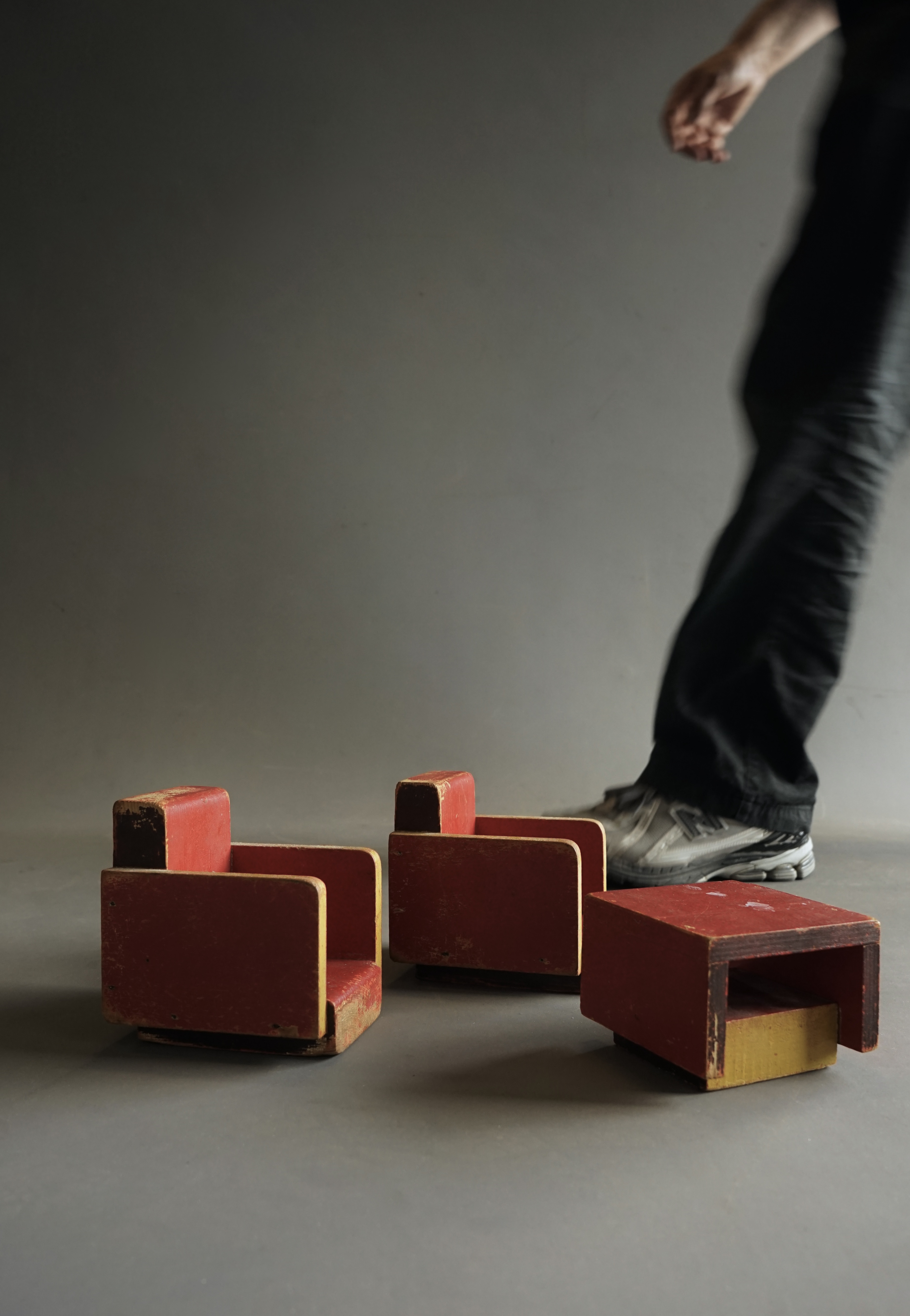
ADO speelgoed / toys. Circa 1934-35

Two miniature club chairs and a side table (each piece with company labels and burnished markings)

Between 1925 and 1955 Dutch designer Ko Verzuu designed many toys under the influence of the Dutch Modernist De Stijl painters. His designs were inextricably bound up with innovations in art, health care and pedagogy in the first half of the 20th century. In 1920, the sanatorium Berg en Bosch was founded in the sanctuary on the outskirts of Apeldoorn – this sanatorium offered rest and care to tuberculosis patients. Once patients had recovered from their illness, returning to regular working life often proved to be difficult. In order to prepare patients better for their reintegration, the sanatorium developed a modern treatment: occupational therapy. One of the ways this took shape was in the production of wooden toys. These toys were given the name ADO; an abbreviation that initially stood for Arbeid door Onvolwaardigen (Labour by the Deficient), but was wisely changed in 1962 to Apart Doelmatig Onverwoestbaar (roughly translated as Special Functional Indestructible?)

Price: 1.250,00
http://www.merzbaufurniture.com

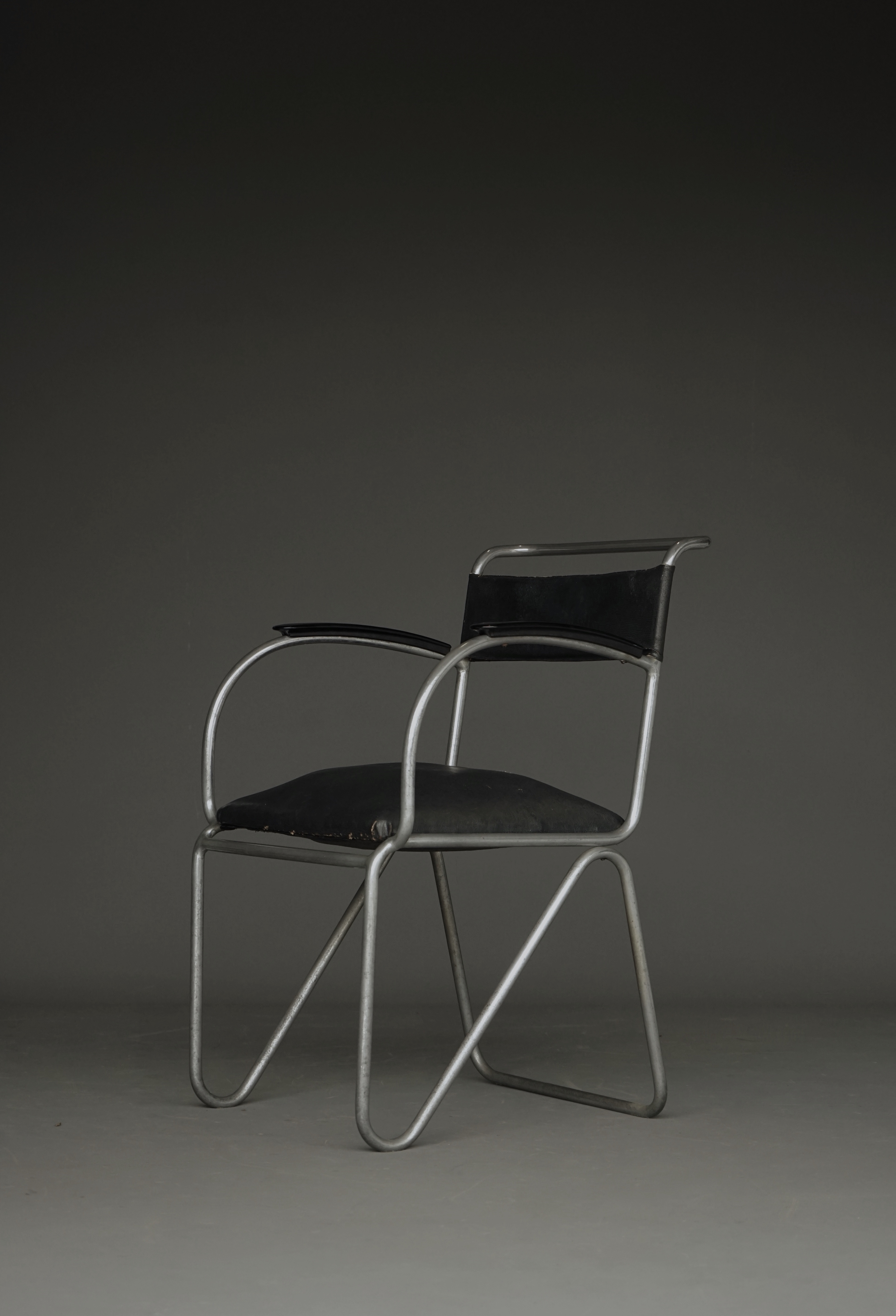
Willem Hendrik Gispen (Nl. 1890-1981)

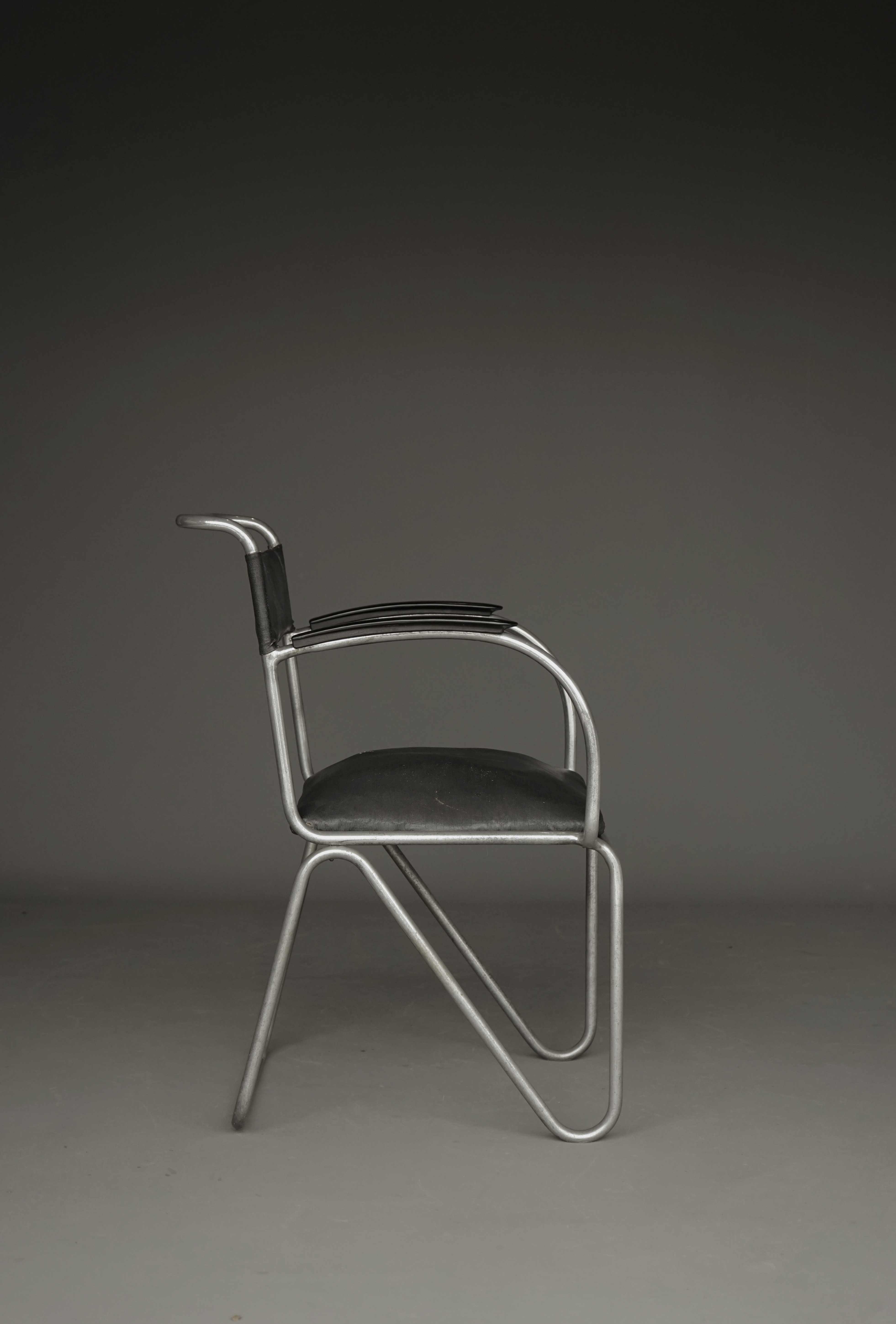
Diagonaalstoel model 3b from Willem Gispen with aluminium frame.


A batch of 300 aluminium framed diagonal chairs were produced for the city hall in Hilversum at the end of the 1920s. The architect Willem Dudok wanted the furniture for this building to be ultra modern and aluminium was certainly regarded as essentially modern at the time.
The chairs were subsequently replaced by chromed steel ones that did not oxidise like the aluminium ones (thus appearing jaded and aged)
although we are not sure this one is from the Hilversum batch its a very rare find – very much a collector’s piece.

Price: 4.000 euro

http://www.merzbaufurniture.com

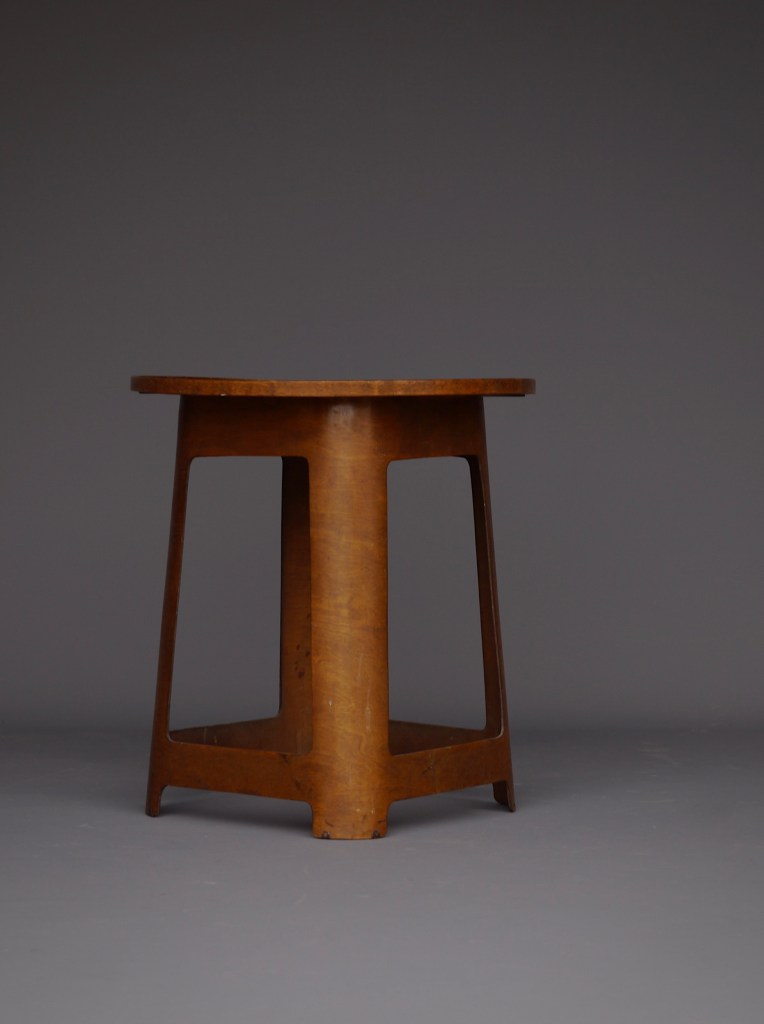
Isokon No.1 Stool

Venesta plywood table/stool for Isokon. 1930s

Plywood No.1 table/stool with its accompanying circular tray. Manufactured by Luterma. Both stool and tray are stamped/labelled Venesta.

The British furniture entrepreneur Jack Pritchard managed Venesta the import company for Luterma in England who later formed the Isokon furniture company which most notably employed Marcel Breuer. These tables/stools were distributed in England post 1933 until 1939 exclusively by Isokon alongside designs by Marcel Breuer and Egon Riss.

Although the designer of the stool remains anonymous, in 2004 the art historian Alastair Grieve described a modification of the original Luterma stool (of which this stool is one) when he wrote that the original design was subsequently re-designed by the architect and founder of the Bauhaus Walter Gropius (hired as a consultant to Isokon). The very slight alterations Gropius made was to include sharper curves to the cut-out squares of the stool. Gropius’s drawings for the redesign can reportedly be found in the collection of the V&A Museum, London.

The separate tray placed on top of the stool is unusual and rare in that it is much thinner than all other trays we have seen. This has led to some minor warping over time (which may have been why it was produced later with a thicker rim?) The thinner rimmed tray may suggest that this was an early production or at the least a more limited production?

h.46.5cm x w.44cm x d.44cm

Literature:-

  • Kermik, Juri (2004) The Luther factory: Plywood and furniture 1877-1940
  • Daybelge & Englund, (2019); Isokon and the Bauhaus in Britain
  • Pritchard, Jack (1984); View from a Long Chair: The Memoirs of Jack Pritchard

Price: 3.650 euro

http://www.merzbaufurniture.com