Gaetano Pesce (Italy 1939-2024)

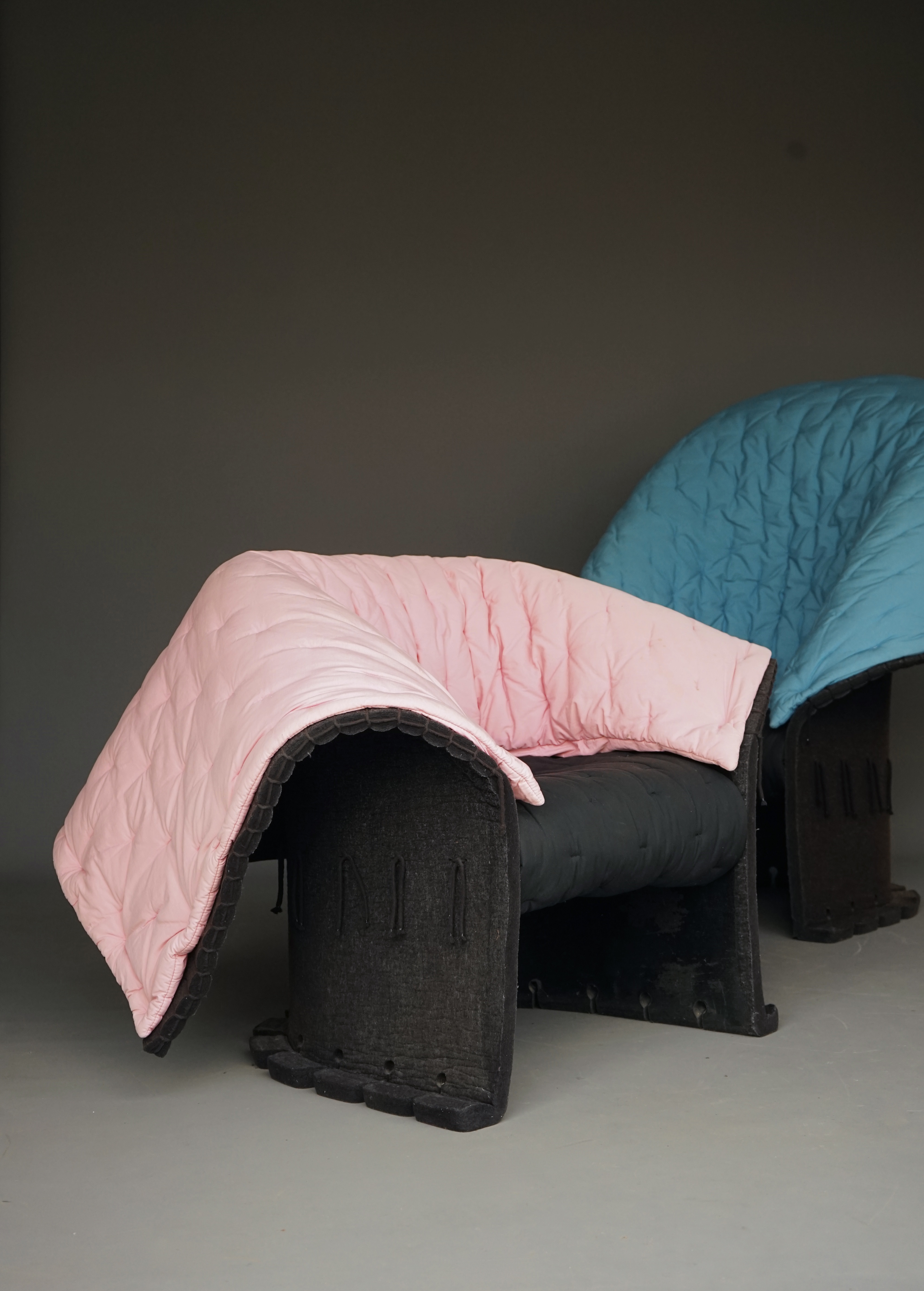
Cassina 1980s. Designed by Gaetano Pesce in the 1980s this is a rare early low back edition feltri (felt) chair which was purchased from its first owner.

113cm wide (at its widest with quilt attached) x 83cm deep x 72cm high (seat height is 44cm)

The feltri chair is a radical 1980s Italian design that brought craft materials and thinking into the realm of product design. Pesce was aware (like the artist Joseph Beuys in the 70s) of the symbolism of felt as an industrial material – serving as a metaphor for warmth, survival and psychological protection. The feltri was manufactured with detachable quilt back and seat covers a variety of colourways  (like many products during the era) in order to appeal to the taste of customers. This chair has a black seat and extra back cushion and a light soft pink detachable quilt (the previous owner used it mostly without the quilt). 

Price: on request

http://www.merzbaufurniture.com

Gaetano Pesce (Italy 1939-2024)

Designed by Gaetano Pesce in the 1980s this is an early edition feltri (felt) Cassina chair which was purchased from its first owner.

100cm wide x 84cm deep x 113cm high (seat height is 45cm)

The feltri chair is a radical 1980s Italian design that brought craft materials and thinking into the realm of product design. Pesce was aware (like the artist Joseph Beuys in the 70s) of the symbolism of felt as an industrial material – serving as a metaphor for warmth, survival and psychological protection. These chairs were manufactured with detachable back quilts and seats in a variety of colorways  (like many products during the era) in order to appeal to the taste of customers. This chair has a black seat and extra back cushion and a light ‘baby blue’ quilt. (the previous owner used it mostly without the quilt attached).

Price: 3.900 euro

http://www.merzbaufurniture.com

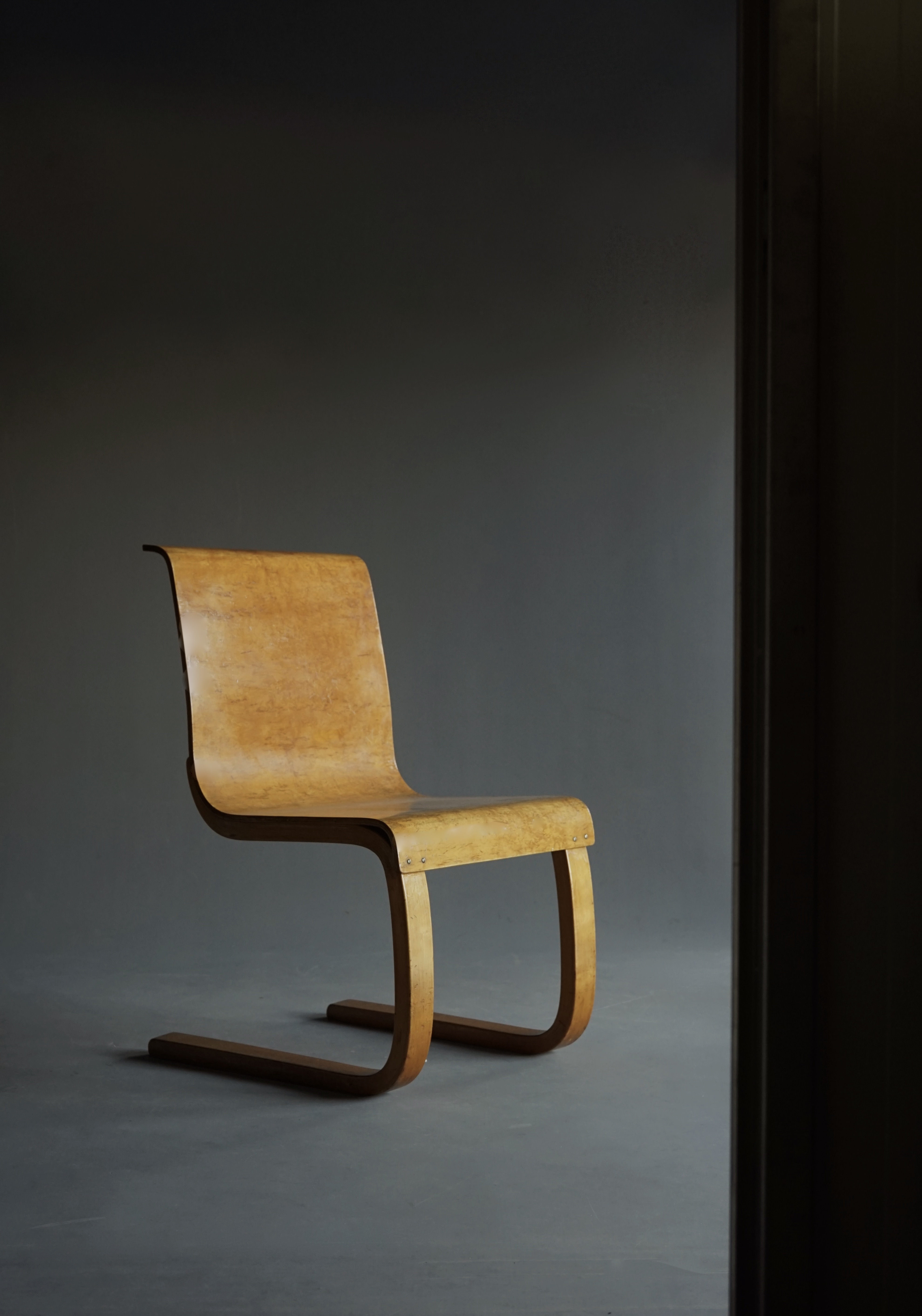
Alvar Aalto (Finland 1898-1976)

Manufactured by the firm O.Y. Huonekalu-ja Rakennustyötehdas A. B., Turku, Finland. 1930s.

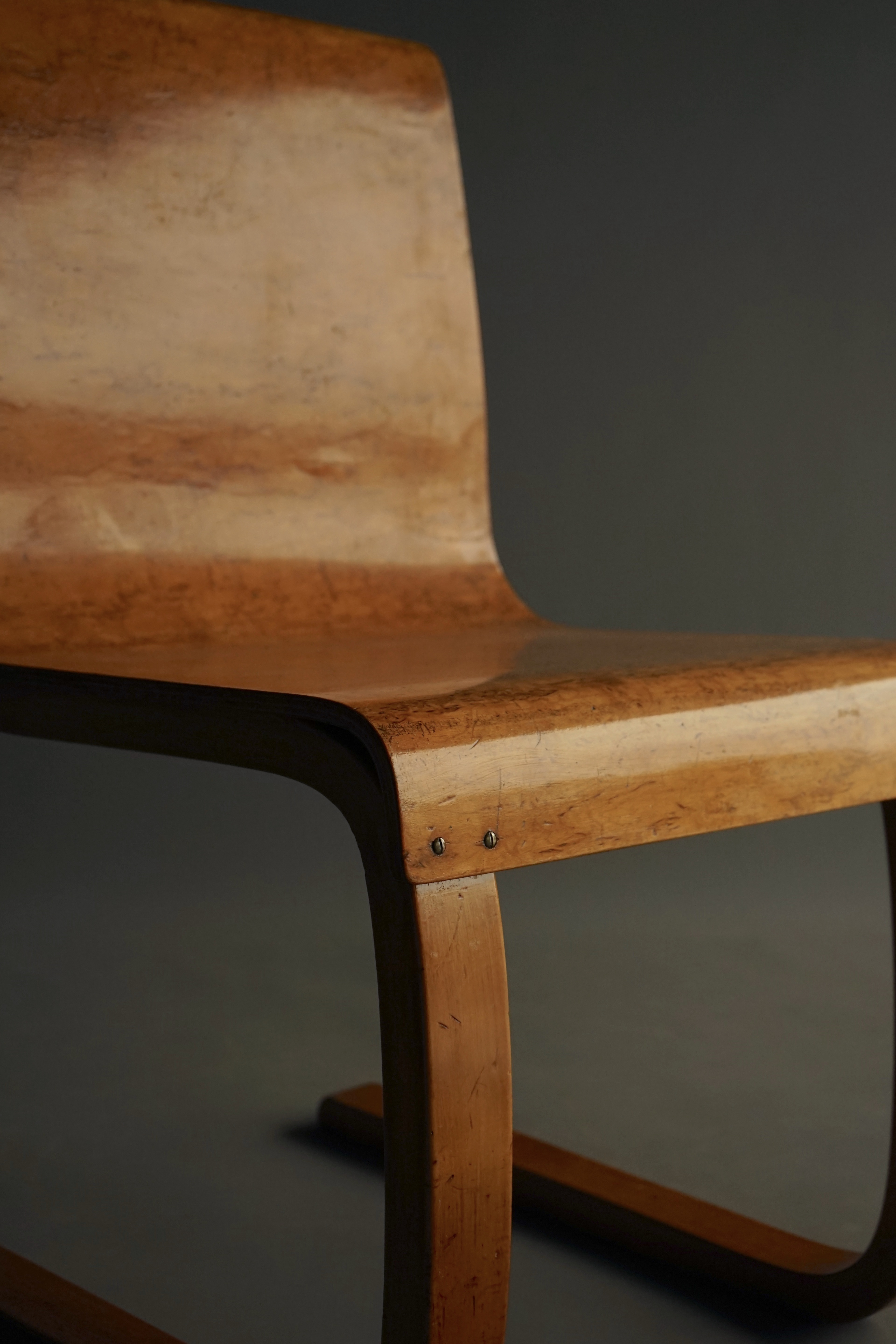
A rare model 21 cantilever chair with a karelian birch moulded plywood seat. Designed in 1933, this is a 1930s chair.

This design by Aalto actualises many of his modern ideals: the object is composed of three shaped components that are free of any ornamentation, and has an easily legible logic to its construction – The design represents Aalto at the height of his creative powers.

The structure of the chair is strong and robust. The surface is a later varnish that has been well aged and used so that it now has a natural age and use related honey-tone patina commensurate with its age. (more detailed photos are available on request)

Price: 8.000 euro

http://www.merzbaufurniture.com

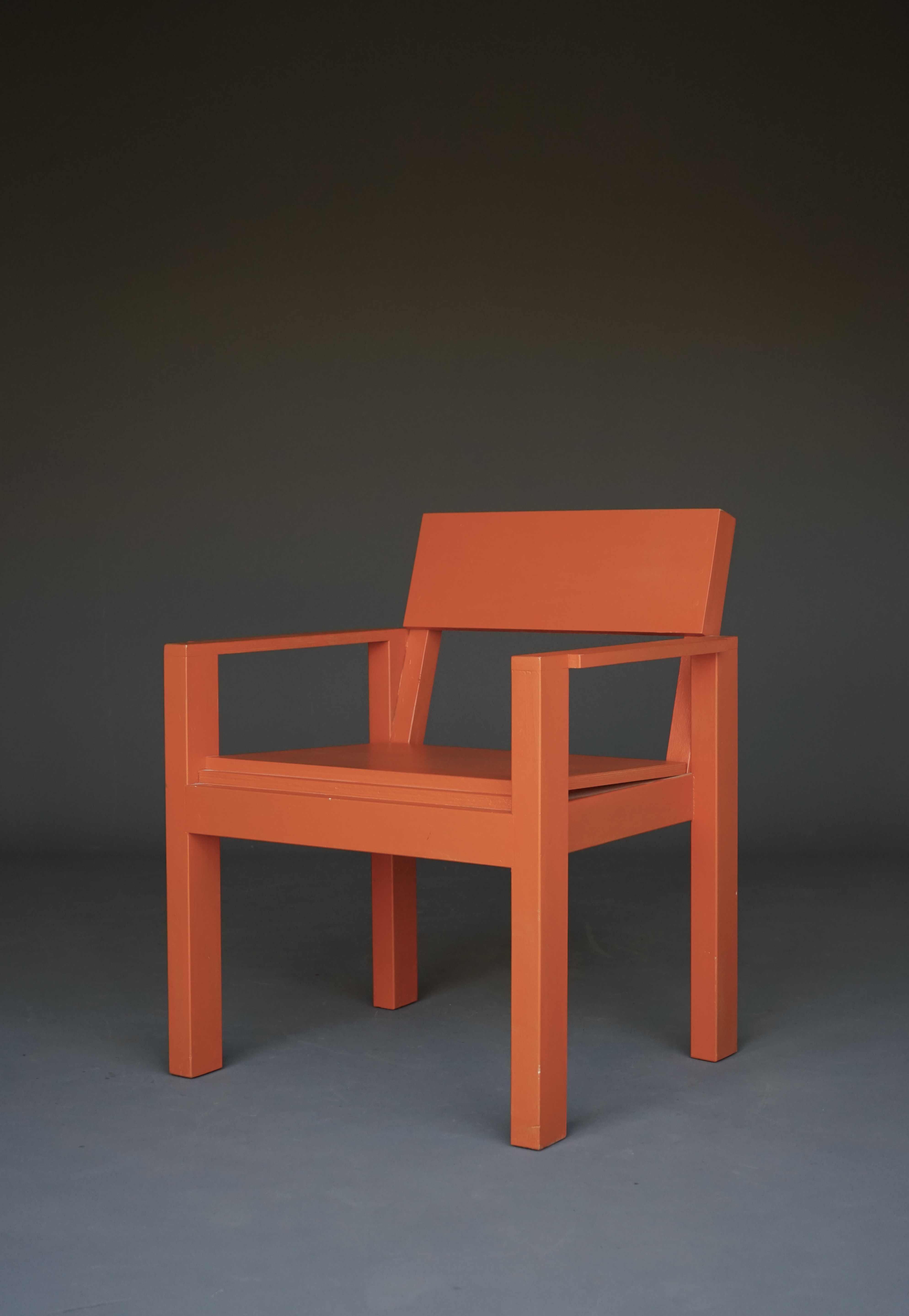
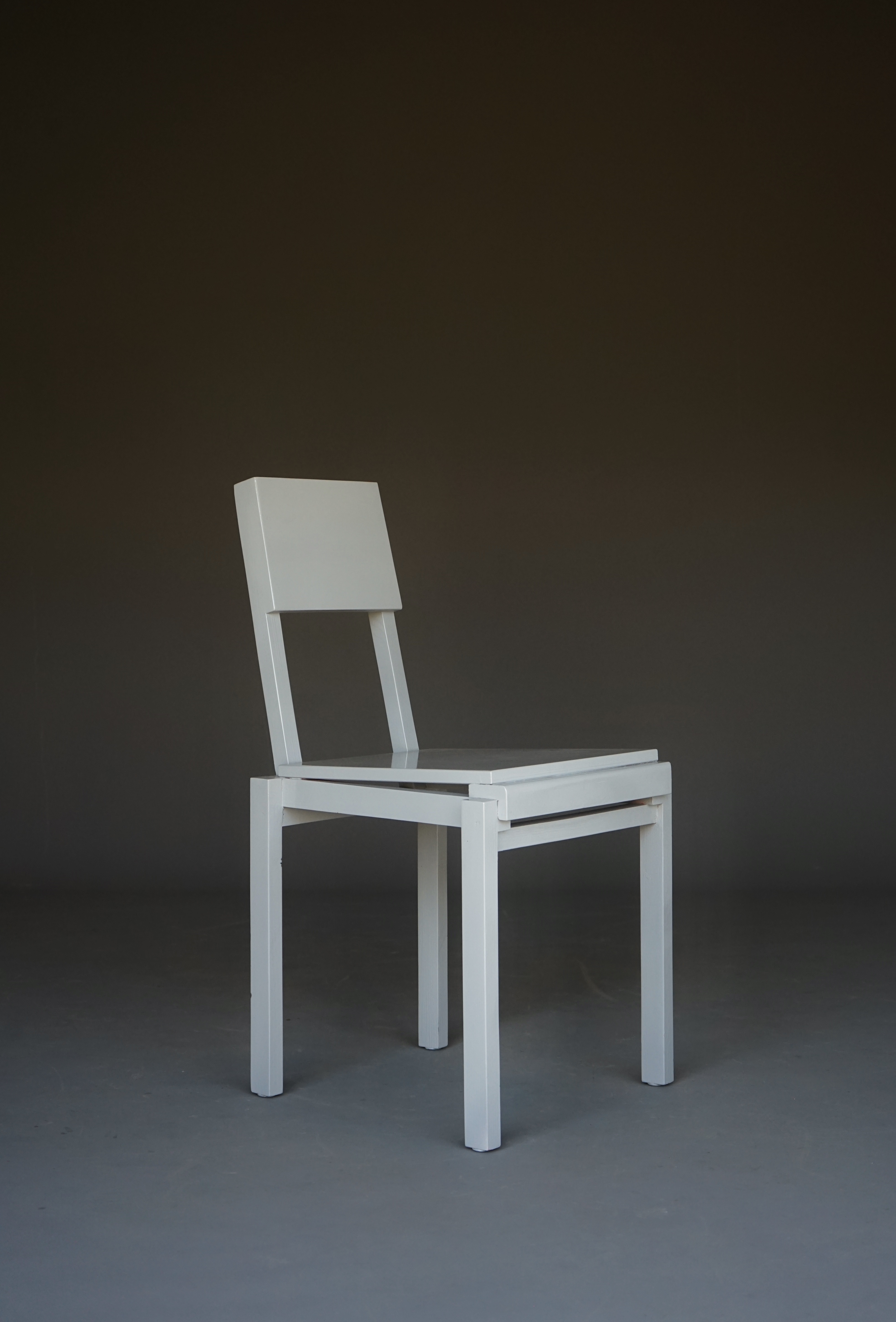
Pepijn Fabius Clovis / studio (Nl.1996-Now)

Pepijn Fabius is a Dutch contemporary designer who makes furniture and objects which are on the edge of art and design.
Known for his use of ‘waste material’. These chairs are a good example of his design approach. The use of humble materials like left over wood was part of a project instigated by the designer at the start of the Covid years (2020/21). Imperfections are embraced, thus making each design unique – Some of the pieces are labelled by the designer.

Price (from left to right): 1.000 / 900 euro

http://www.merzbaufurniture.com

Annie Hieronimus (France c20th)

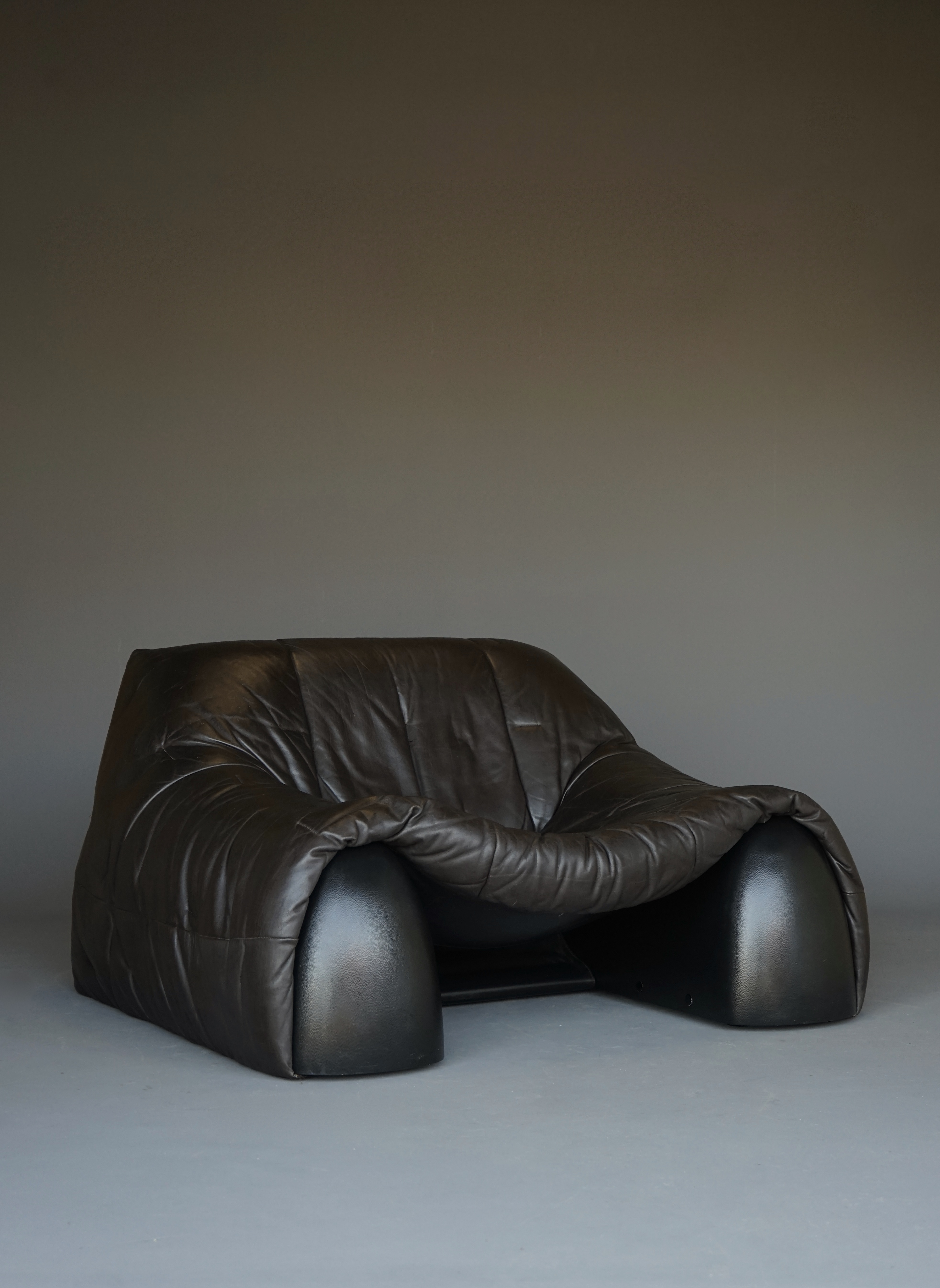
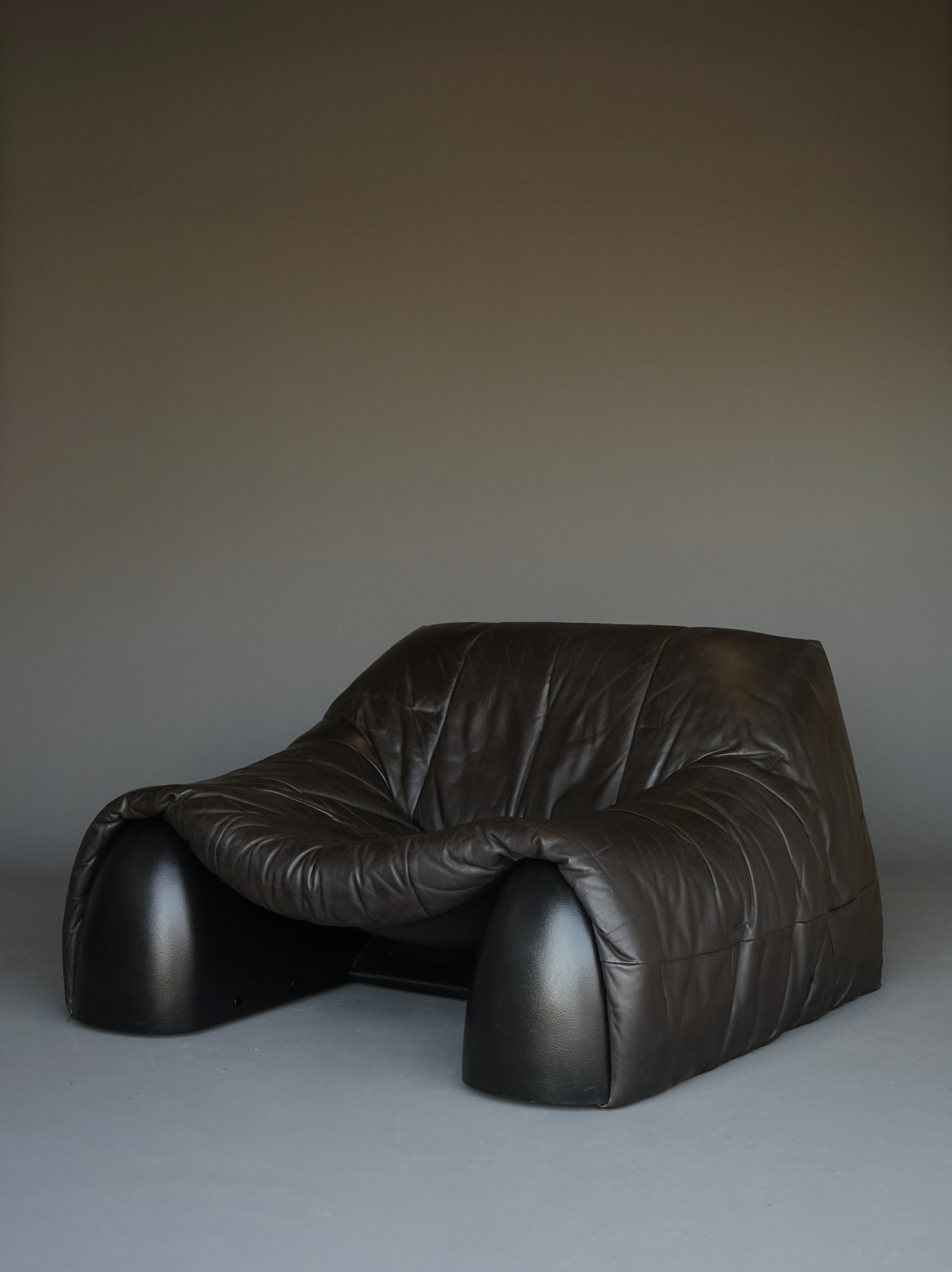
Model ‘Amak’ lounge chair by Annie Hieronimus for Cinna 1983-86 (makers label to reverse).

A rare lounge chair designed by French designer Annie Hieronimus and executed by Cinna. This model of lounge chair very hard to find anywhere – it was only produced for three years between 1983 and 1986. Its remarkable look comes from the combination of soft folded leather that seems to bridge two large ballistic looking feet.

Price: 4.700 euro

http://www.merzbaufurniture.com

Welsh Lambing Chair. Circa 1820s

A high back antique Georgian pine chair known as a ‘lambing chair’. Historically these chairs were used by shepherds during lambing season to rest by the fire side. The design of the lambing chair protected the shepherds from the cold draughts during the spring months.
A surprisingly comfortable chair!

Price: 1.800 euro

http://www.merzbaufurniture.com

Frank Gehry (Canada 1929-2025)


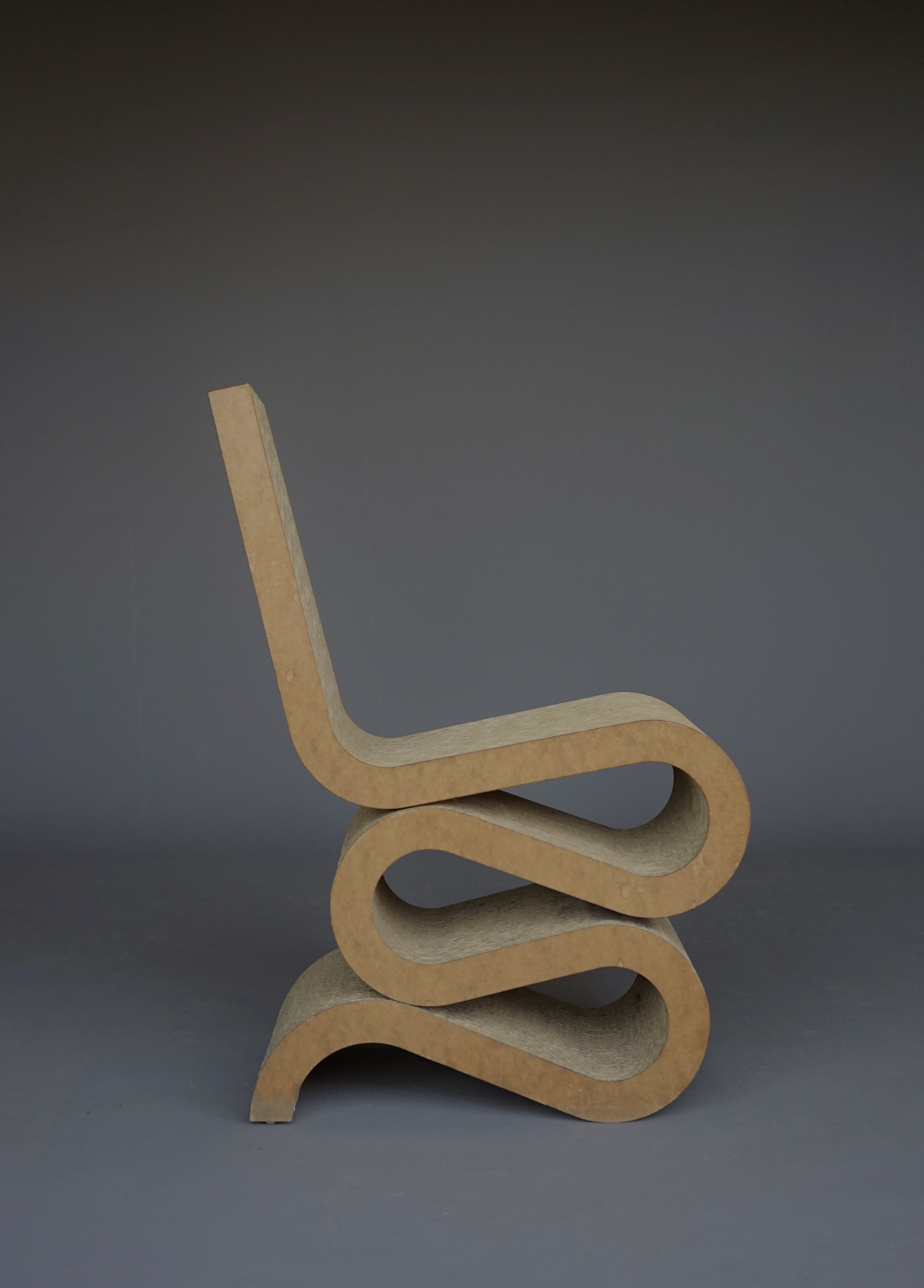
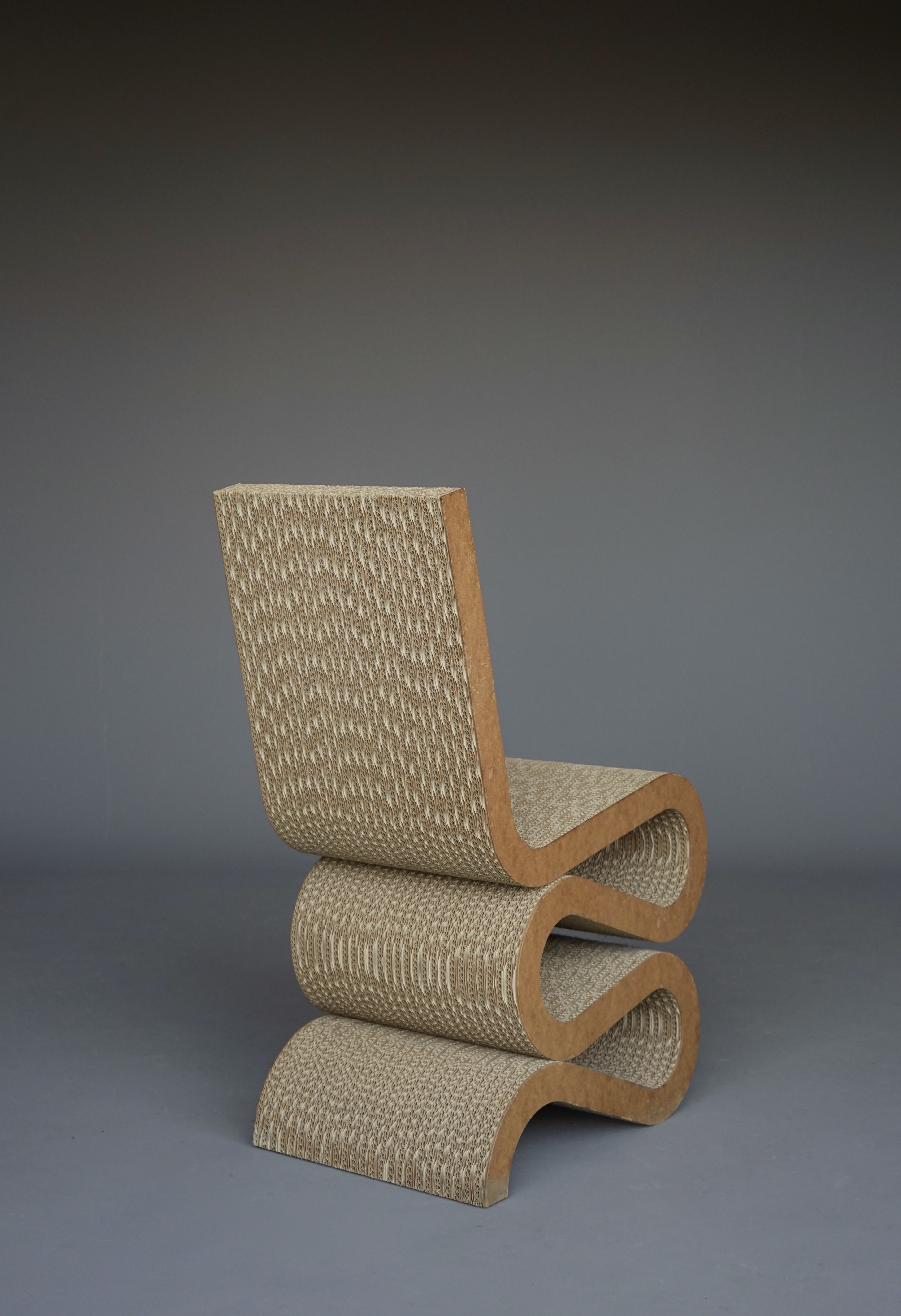
Frank Gehry “Easy Edges” wiggle chair by Vitra. Labeled underneath and in a very nice original condition. This example is a 1999 production.

The chair was designed in 1972 as part of Gehry’s famous Easy Edges series. It was reissued by Vitra from 1992 as the Wiggle side chair. Created by the renowned architect Frank Gehry this extraordinary chair challenges the conventional notions of form, material and structural dynamic. Crafted from layers of corrugated cardboard, the Wiggle Chair exhibits a delicate balance between strength and flexibility. Gehry’s signature aesthetic make it a standout piece in any space. The chair has a slight twist/lean from use but it has a good warm tone (…that recent production chairs do not have)

Price: 1.600 euro

http://www.merzbaufurniture.com

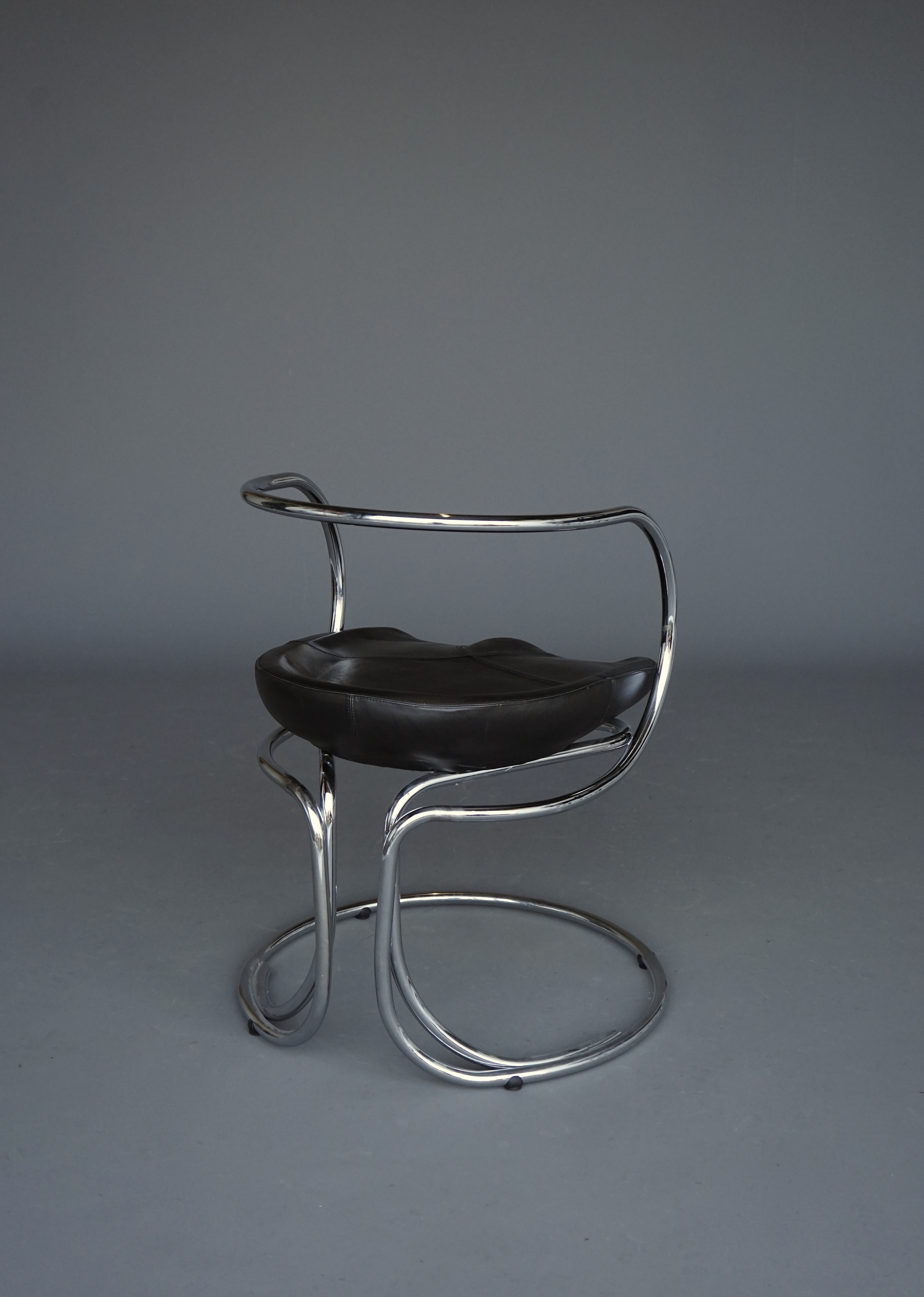
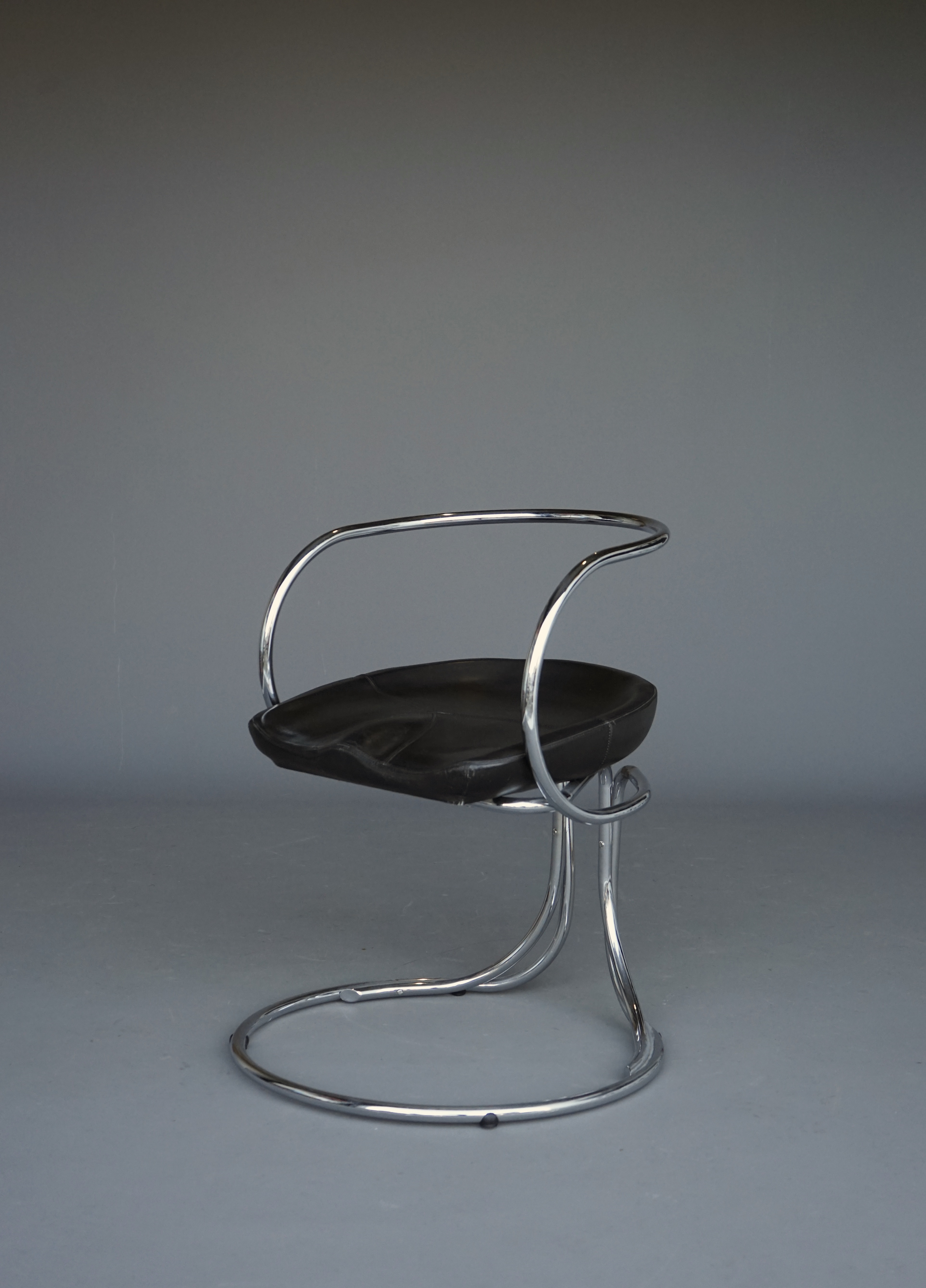
Vladimir Tatlin (Russia 1885-1953)

Tatlin Chair

Chromed steel tubular frame with black leather upholstered seat. 55cm x 70cm x 80cm high.

Vladimir Tatlin was a Russian and Soviet painter, architect, and stage-designer. Tatlin achieved fame as the architect who designed The Monument to the Third International, more commonly known as Tatlin’s Tower, which he began in 1919. With Kazimir Malevich he was one of the two most important figures in the Soviet avant-garde art movement of the 1920s, and he later became an important artist in the Constructivist movement

Designed by Russian constructivist Vladimir Tatlin (1885-1953) in 1927. The prototype for this chair was made initially in bent cane. From the 1950s it was manufactured by Nikol International, Italy with a tubular metal frame and leather seat.

Price: 1.400 euro

http://www.merzbaufurniture.com