Wim den Boon (Nl. 1912-1968)

1967. Storage boxes. Beech wood. Each 55 x 65 x 28cm high.

A set of four solid beech wood storage boxes that were designed by the Dutch mid-century architect Wim den Boon. They were designed and made specifically for a client in Laren in the Netherlands. We have a drawing by the architect (that will be supplied with the boxes) that shows the boxes were originally designed to go underneath an in-built sofa to add extra storage space to the room.
They each have wheels that enable them to be rolled around easily. They can also be stacked as shown (although they were not originally designed to be stacked and they are quite heavy).

Price: 1.250 euro

http://www.merzbaufurniture.com

Jan de Jong (Nl 1917-2001) / Dom Hans van der Laan

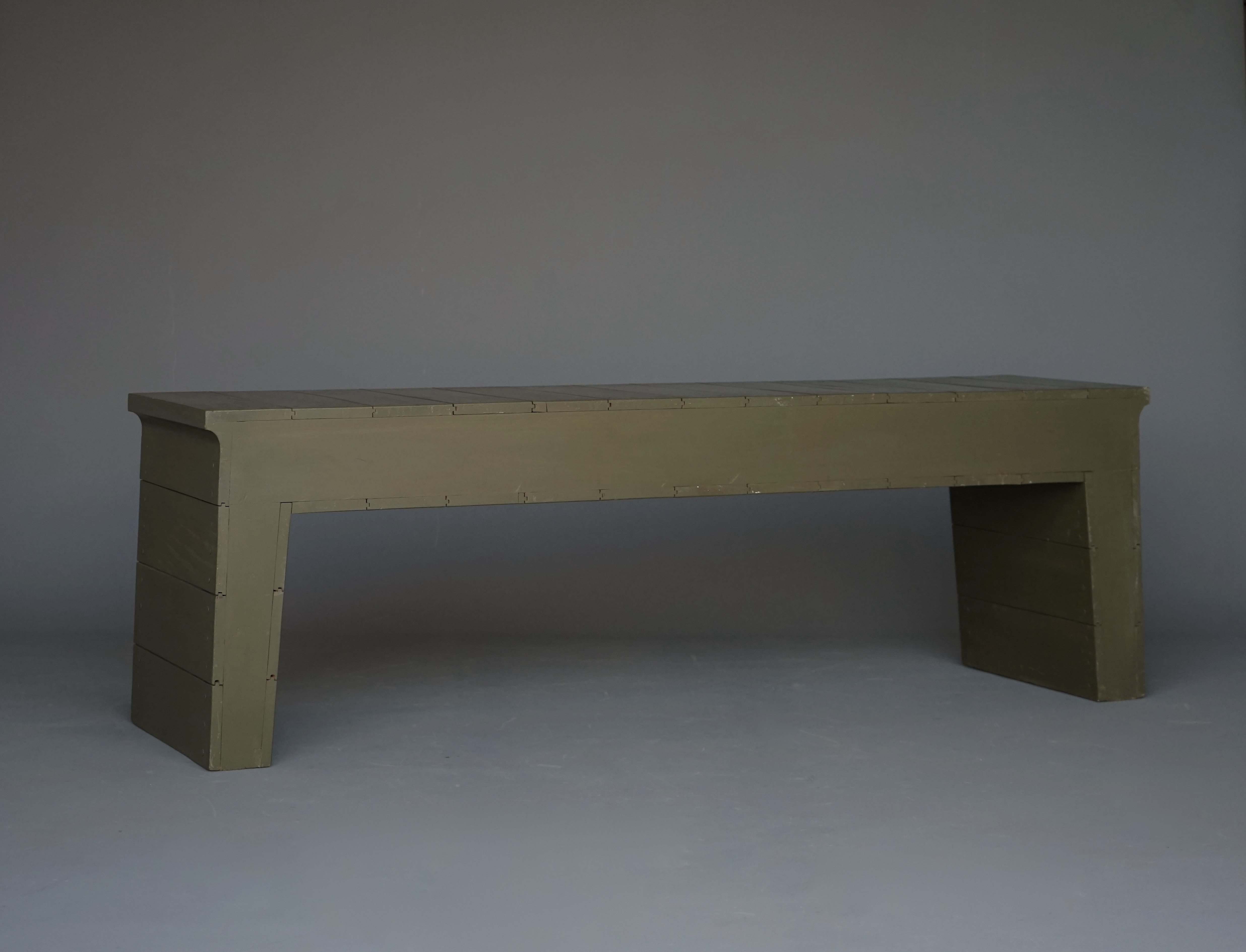
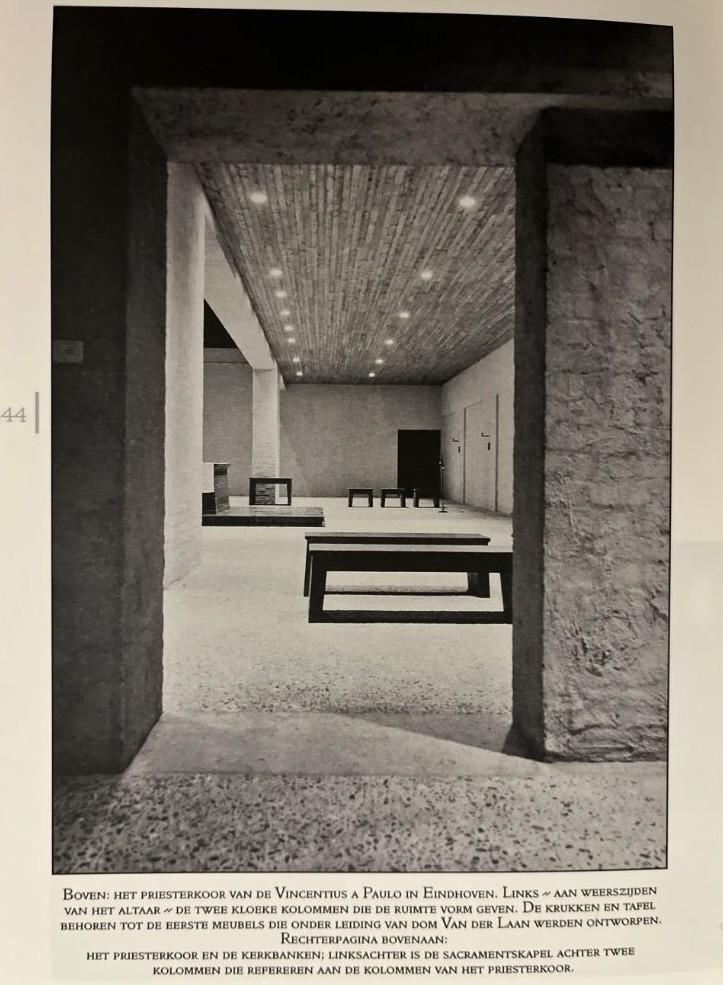
Rare Bossche School bench for Vincentius Church, Netherlands. 1964.

162.5 x 45 x 52.5cm high.

Early design bench (1964, Netherlands) by Jan de Jong, the Dutch Bossche School architect and protegé of the Dutch Benedictine monk and architect Dom Hans v.d. Laan. The bench was made for and used in the Vincentius a Paulo church in Eindhoven; an important early example of Bossche School architecture by De Jong. 

The installation of the furniture for the church was made under the supervision of Dom Hans v.d. Laan. Essentially it was through these early Jan de Jong projects that Dom Hans v.d. Laan was able to witness the realisation of his complex design ideas and beliefs for what was possibly one of the first times.

Price: 5.500 euro

http://www.merzbaufurniture.com

Delft School bench

200 x 44.5 x 65.5cm high (seat height 43cm). Solid oak wood.

A stylish and robust Delft School bench/seat. School of M.J. Granpré Molière or A.J. Kropholler .

Traditionalism in the Netherlands emerged shortly after the First World War. It was not so much a style as more of an attitude among architects who, in response to Functionalism and the Expressionism of the Amsterdam School, rediscovered the purity and simplicity of traditional country architecture. Under the leadership of M.J. Granpré Molière, professor at the Technical University in Delft from 1924 until 1953, many of these architects gathered in a movement which after World War Two became known as the Delftse School (‘Delft School’). Granpré Molière’s ideas include a preference for tidy brickwork, a minimal use of decorations, the inspiration taken from national architectural traditions and the use of ‘honest’ (i.e. traditional and natural) materials.
https://www.archimon.nl/history/traditionalism.html

It is easy to comprehend how subsequent Dutch design evolved into an even more simplified and pared-down version of such furniture as this. There are clear visual similarities to Rietveld or De Stijl.

Price: 2.650 euro

http://www.merzbaufurniture.com

Art Deco /modernist geometric side table.

Flame mahogany veneer. Dutch. Circa 1930s

79.5cm diameter x 62cm high

Functioning as a coffee table or side table, it has a simple almost classical symmetrical 1930s form; consisting of a circular top on a geometric cube base.

Price: 1.100 euro

http://www.merzbaufurniture.com

Bas van Pelt (Netherlands 1900-1945)

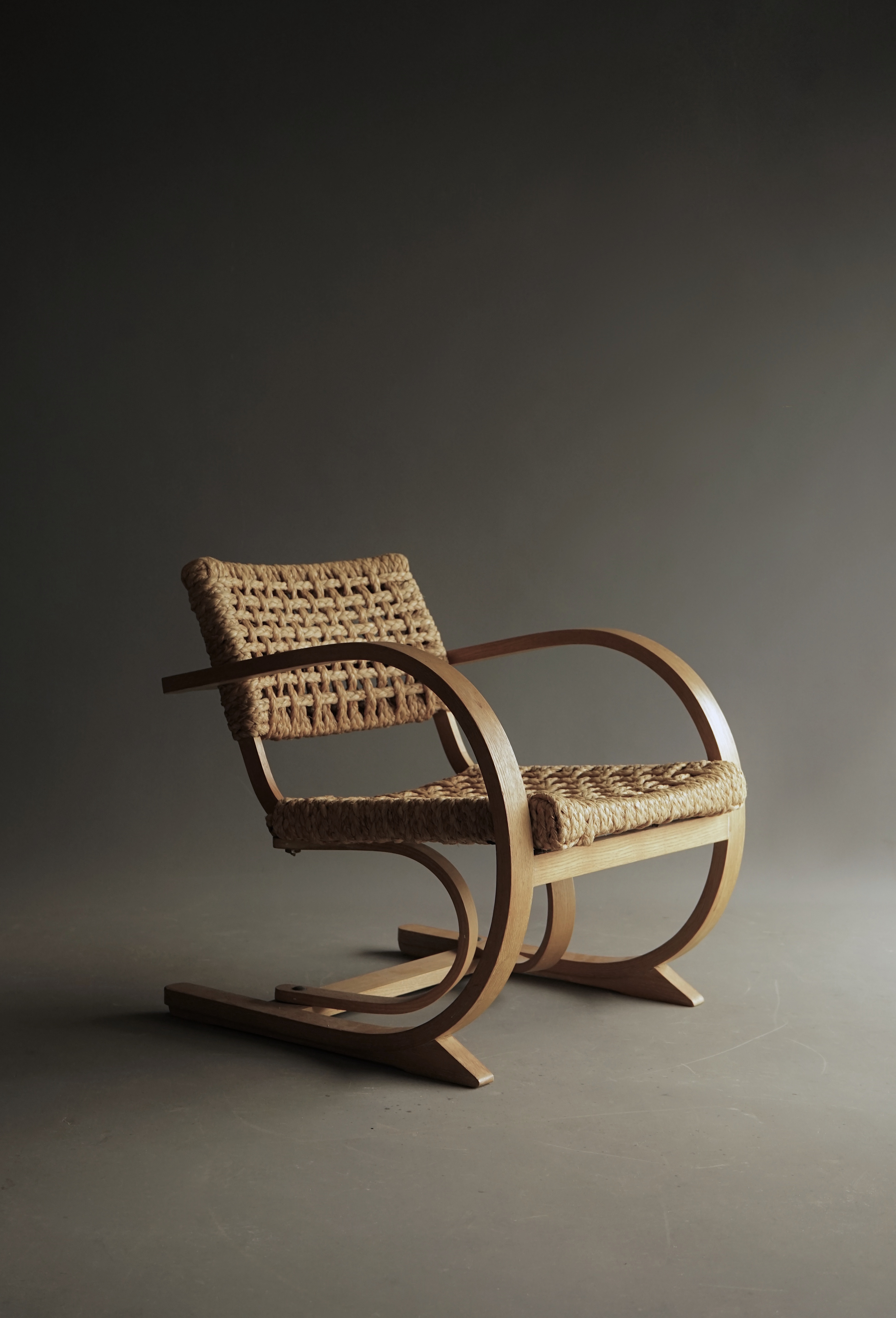
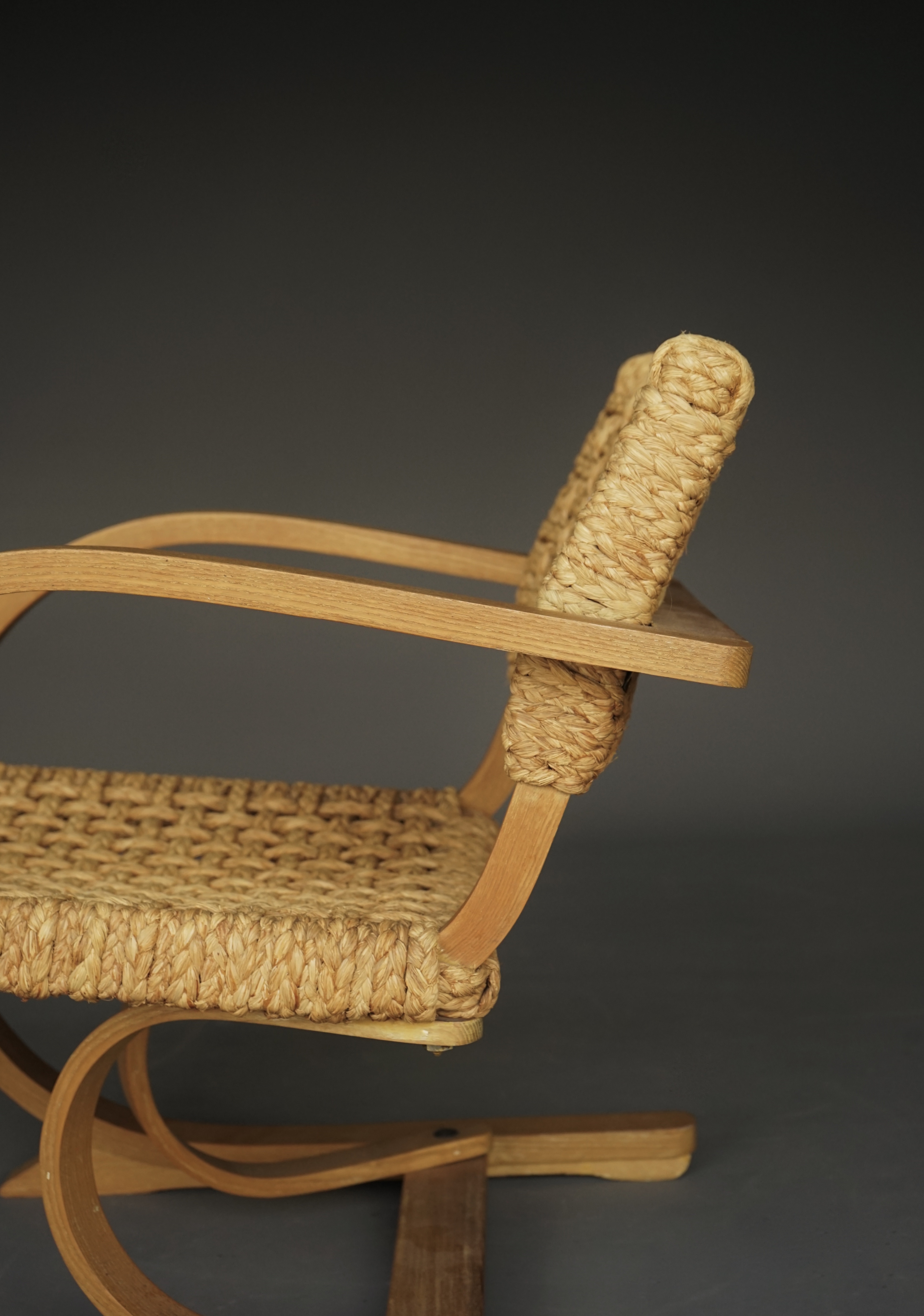
Oak framed cantilever chair with thick rope woven seat and back. 1930s. My Home/ The Hague.

58 x 68 x 66.5cm high (seat height 35.5cm)

Comfortable chair, designed by Bas van Pelt ca. 1936 for My Home Netherlands.
This chair, designed in 1936 was a precursor to the similar chairs by French designers Andoux & Minet (1940s/50s).

Examples can be found in the permanent collection of the Stedelijk Museum in Amsterdam. Documented in the book ‘My Home: Bas van Pelt, Binnenhuisarchitectuur 1931-95,’ P.Faber, Uitgeverij010.

Price: 3.250 euro

http://www.merzbaufurniture.com

Dom Hans van der Laan (Netherlands 1904-1991)

Tulip wood with metal work & inset gemstones.

130 x 98 x 95cm high

A large Bossche School alter table. (that can function as a high table like in a kitchen or shop)

Designed by the Dutch Benedictine monk/architect Dom Hans vd Laan. Unlike most of van der Lann’s furniture this piece is decorated with a narrow frieze that goes all around the base section. The metal and stone decorative elements across the side is possibly by Dutch mid-century metal worker Jan Noyons and colour selected by Wim van Hooff. This rare example of Van der Laan’s designs was part of a collection of furniture came from a post-war church in Amstelveen in The Netherlands. The church was subsequently destroyed, and the furniture sold off.

Note: The tabletop and base can be separated for easier transport.

Price:  4.500 euro

http://www.merzbaufurniture.com

Cornelius L. (Cor) Alons (Nl.1892 – 1967)

Oak side table. 75 x 49 x 65cm high. 1920s.

Cor Alons was a Dutch interior, industrial and book cover designer in the early c20th. Like several of the Dutch designers of the era he was inspired by the work of American architect Frank Lloyd Wright. In 1923 he established a design agency with designer Frits Spanjaard (1889-1978). Dedicated to the construction and renovation of private houses, the pair belonged to the first generation of interior designers, designing not only furniture, but also the space in which the furniture inhabited. As an advocate for functionalism, Alons often sought out simple furniture with sober forms in his interior design.  He preferred clear, simple, and often enduring shapes from dark, mostly valuable, building materials and colours.

Over the course of his career, Alons focused on avant-garde developments in both the Netherlands and abroad, and was a proponent of the De Stijl movement, some elements from which can be seen in his coffee tables, dining chairs, and lounge chairs.

In 1929, Alons was appointed a lecturer at the Department of Furniture Design at the seminal Royal Academy of Fine Arts in The Hague. Under the Bauhaus’ influence, new departments emerged at the Academy, including graphic design, advertising, photography, industrial design, and furniture design.

Although we do not know the maker of this table, it is typical of aesthetic he and Frits Spanjaard brought to Dutch design of the era. It has been fully restored and is in superb condition.

Price: 3.000 euro

http://www.merzbaufurniture.com
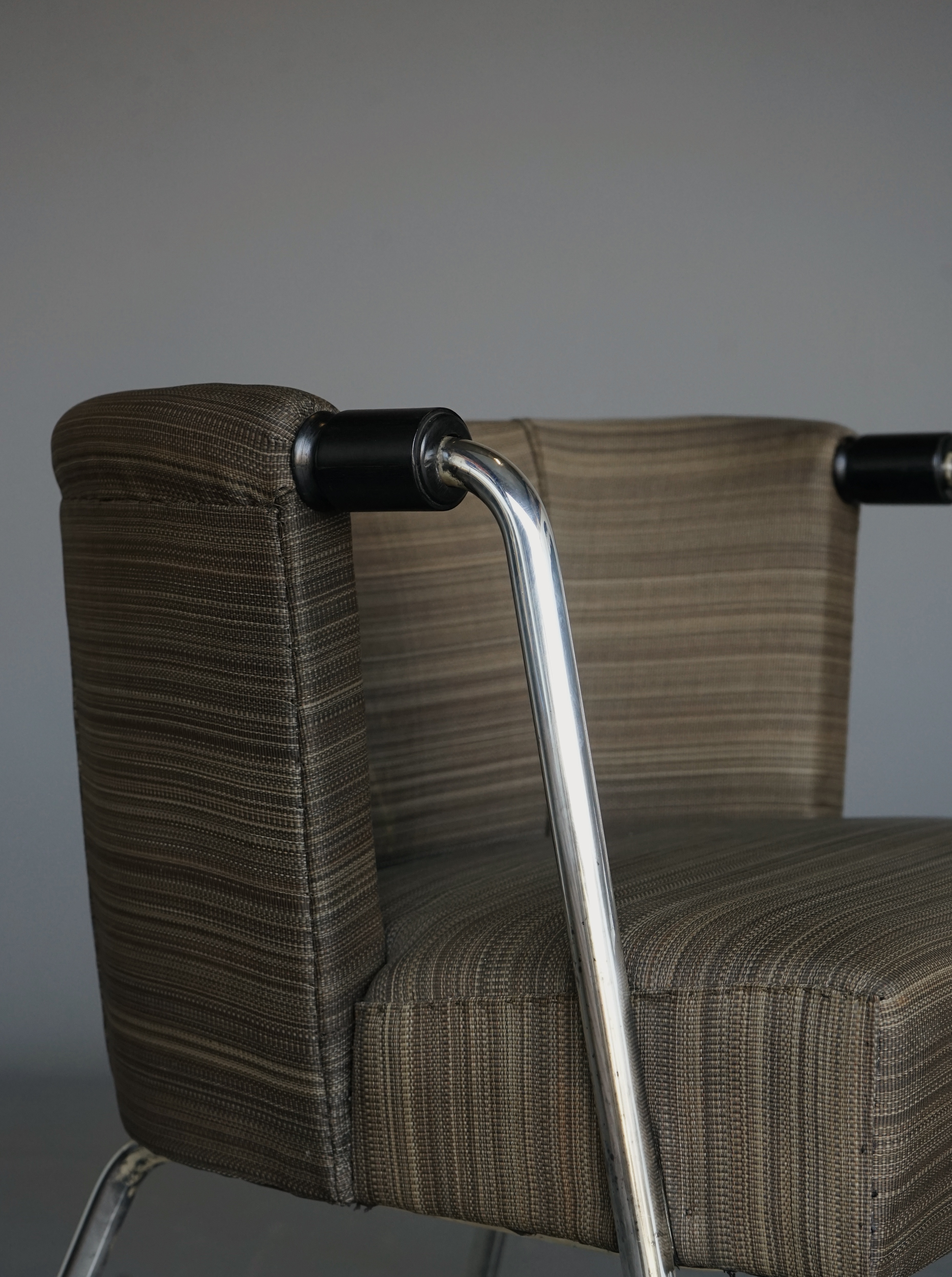


Wim den Boon (Nl.1912-1968)

Bespoke lounge chair. 1960s.

Original lacquered steel frame (swivel back rest) with slung leather seat and back.

65 x 65 x 68cm high (seat height 32.5 cm)

An important lounge chair by Wim den Boon. This is an historical piece of furniture and an important part of the legacy of Wim den Boon as an important Dutch architect and interior designer.

Wim Den Boon was a Dutch designer, interior designer and architect. Den Boon was a strict thinking man who believed strongly in the transforming capacities of architecture and design who left behind a small body of work. Most of his furniture was made for specific projects. This particular chair is a fine example of Den Boon’s work and dates from the early 1960s . The second photo shows this chair in its original setting (photo: NAI Rotterdam).
It has new leather upholstery. The new leather is a copy after the original upholstery as can be seen in the last photo.

We have a collection of furniture in stock by Wim den Boon of which most pieces are bespoke pieces that were commissioned for private homes in the Netherlands (and come with provenance – see other listings)

Price: 3.400 euro

http://www.merzbaufurniture.com