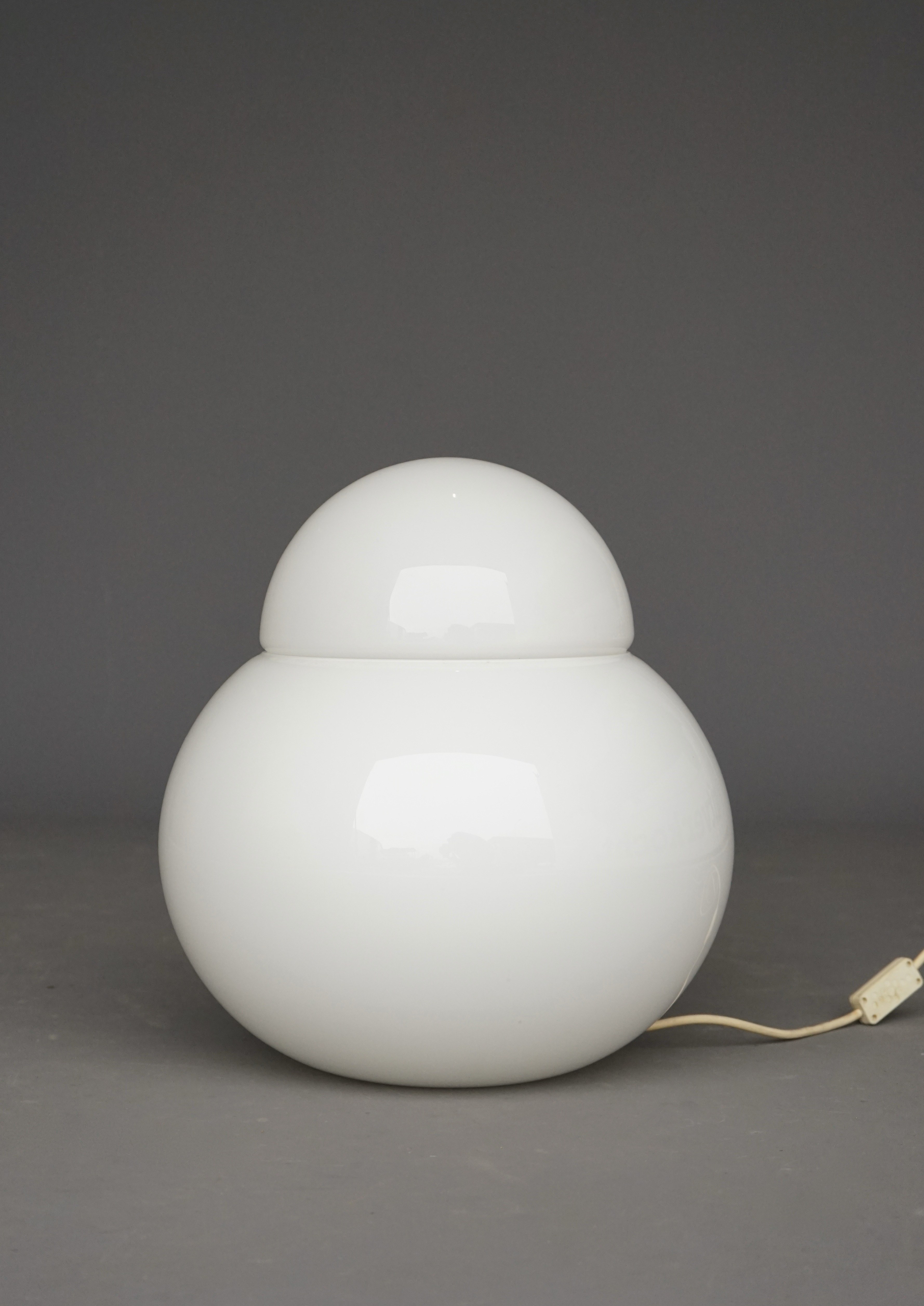
Sergio Asti (Italy 1926 – 2021)

40 x 40 x 42cm high. Candle, Italy. 1968


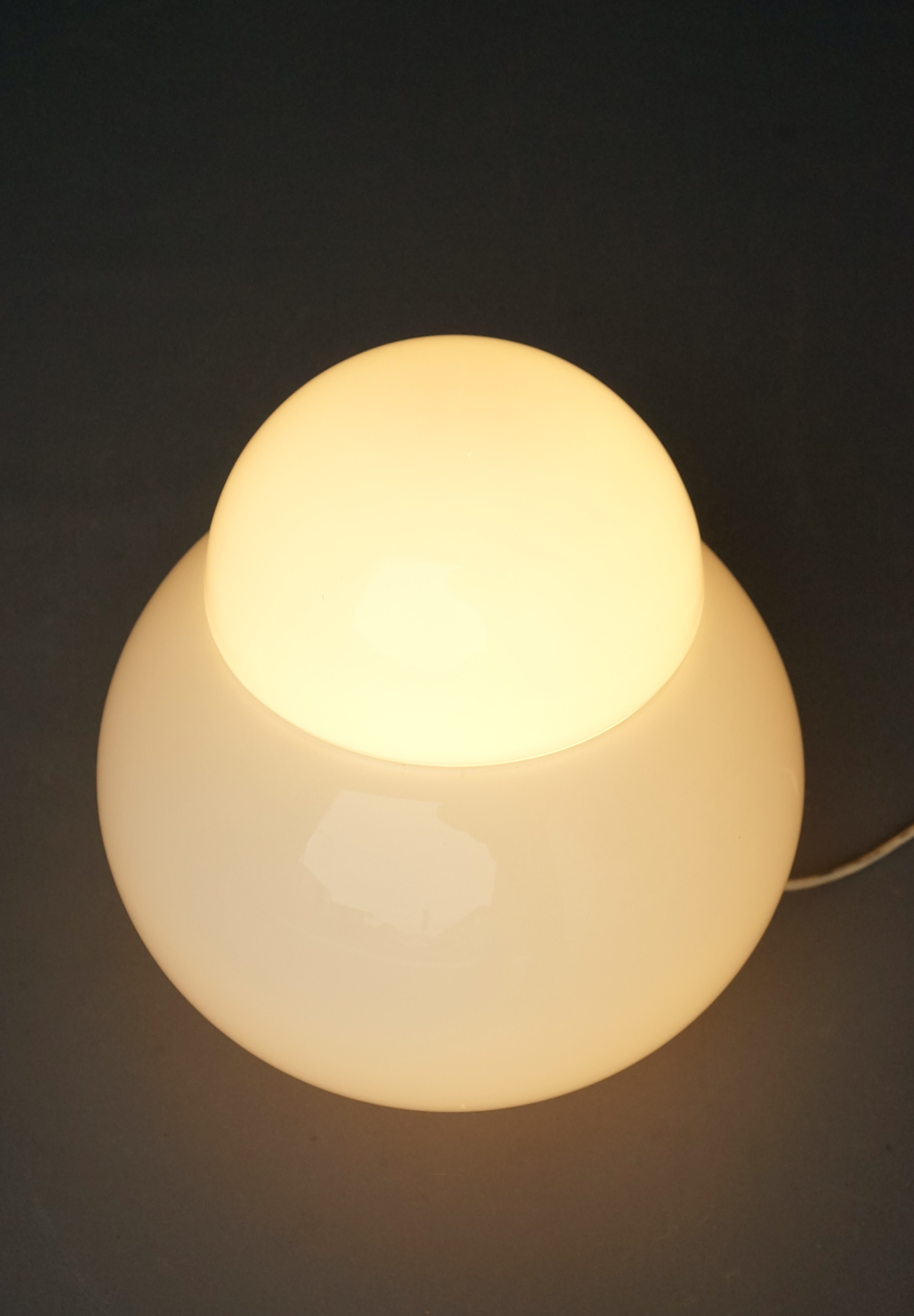
Daruma lamp by Sergio Asti. This lamp is the largest size (42 cm high) that was produced by the Italian company Candle in 1968. (Later productions were made by Fontana Arte). The lamp is made out of two parts hand blown glass that makes it easy to access the lamp fitting inside. It gives out a very attractive warm glow. It has its original fittings and is fully marked with Candle sticker.

Price: 1.650 euro

http://www.merzbaufurniture.com

Large Amsterdam School desk lamp. Circa 1920s.

41 x 19 x 52.5cm high

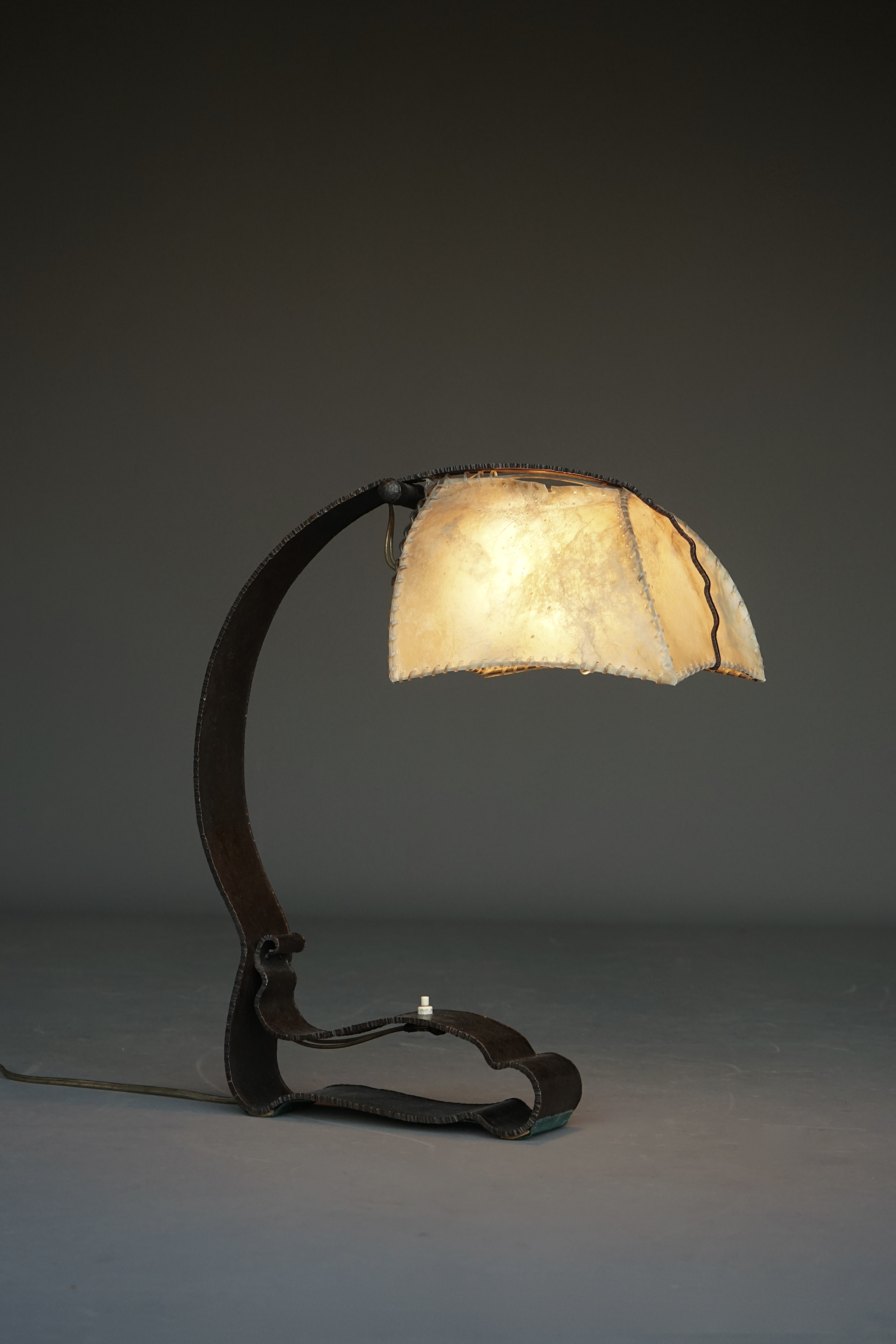
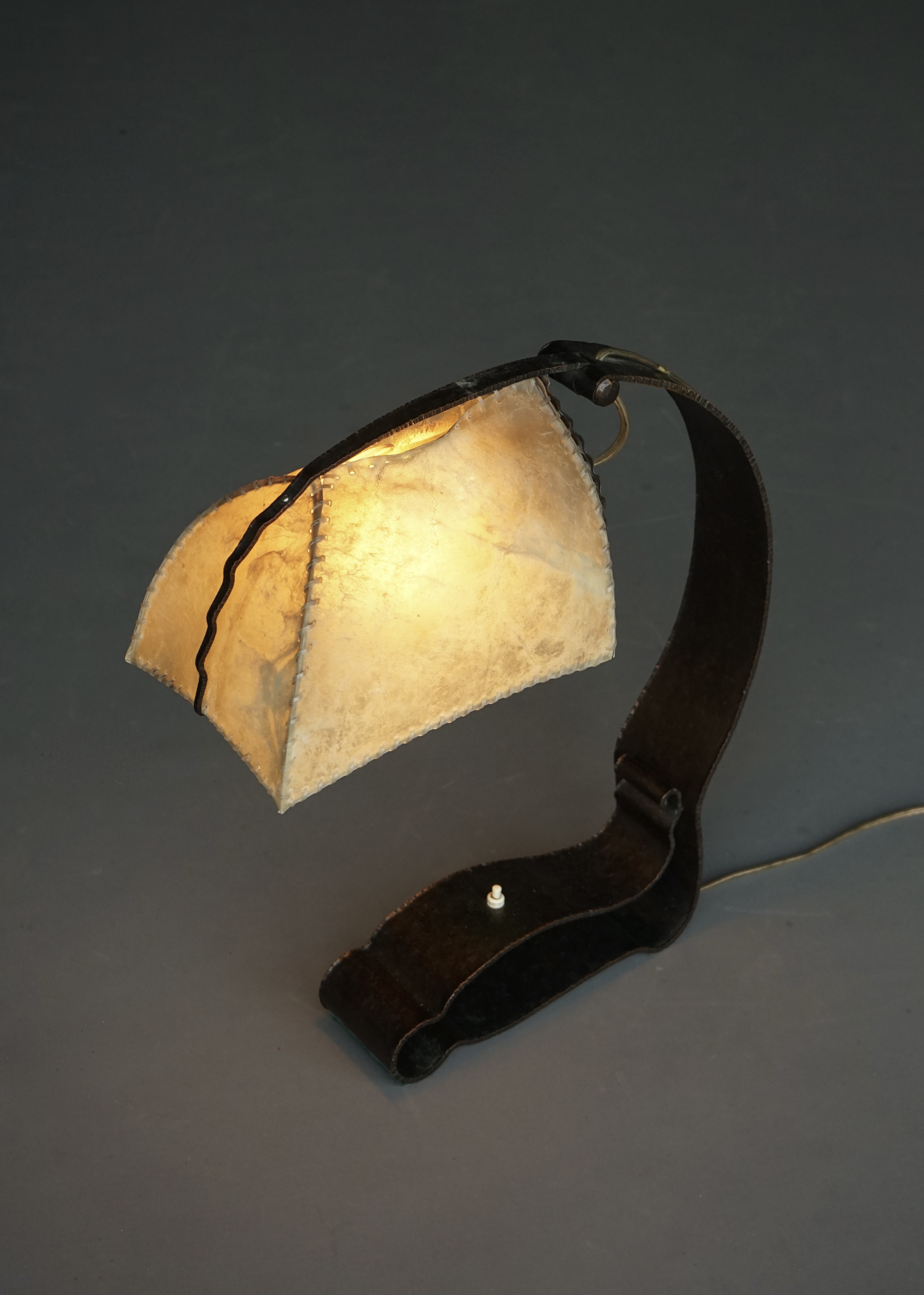
Hand-forged wrought iron desk lamp with original parchment lamp shade. The shade has a bit of heat damage to the top.

The scrolling organic, naturalist forms of this lamp is typical of the Dutch art deco movement known as the “Amsterdamse School’. In the early c20th the Dutch forged a clear identity in the decorative arts that combined the influences of both the Dutch colonies, the ethos of the European Arts & Crafts and Art Nouveau (Nieuwe Kunst) movements.

Price: 1.450 euro

http://www.merzbaufurniture.com

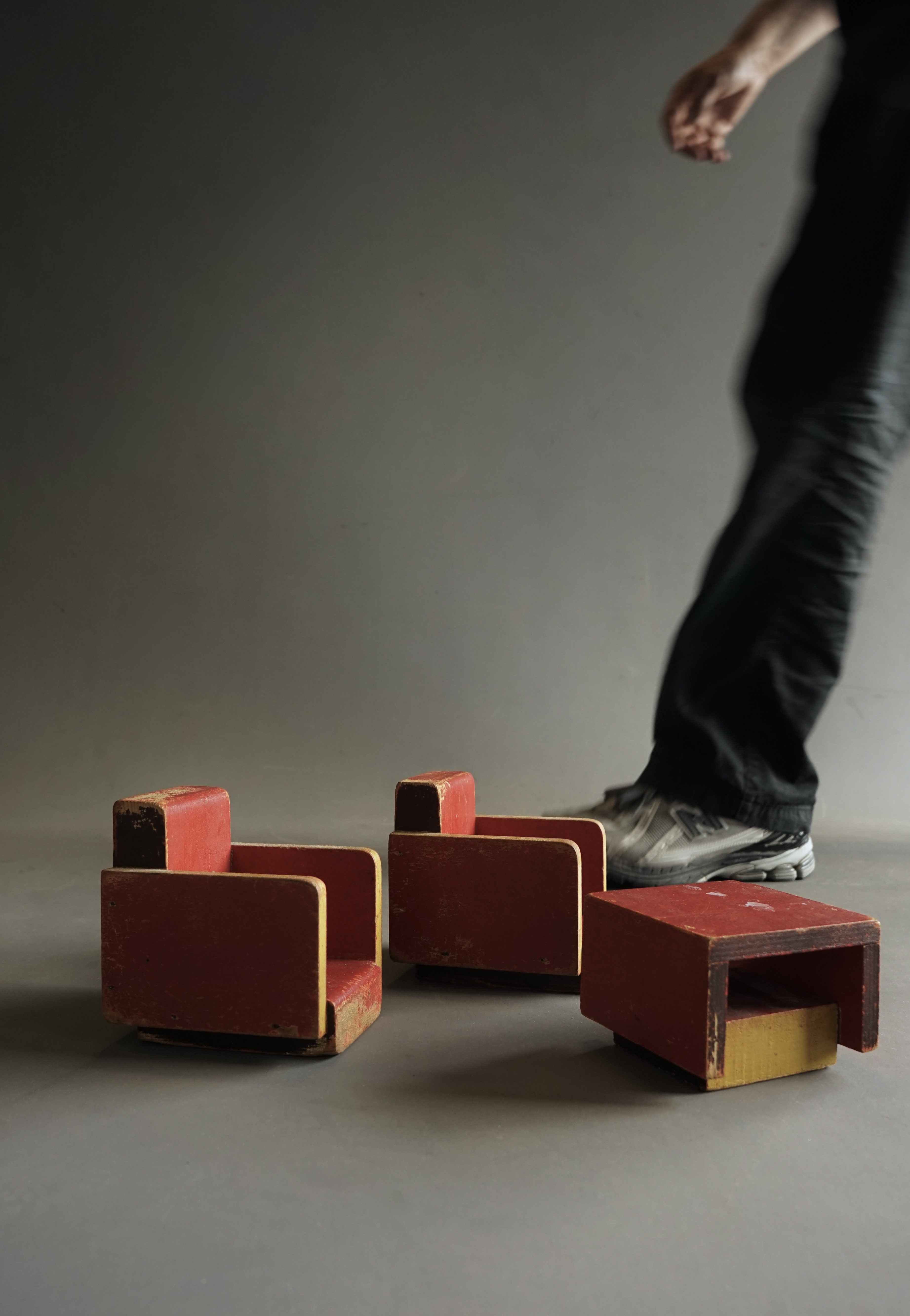
Verzuu, Jacobus Johannes Josephus (Ko) 1901-1971 NL.

ADO speelgoed / toys. Circa 1934-35

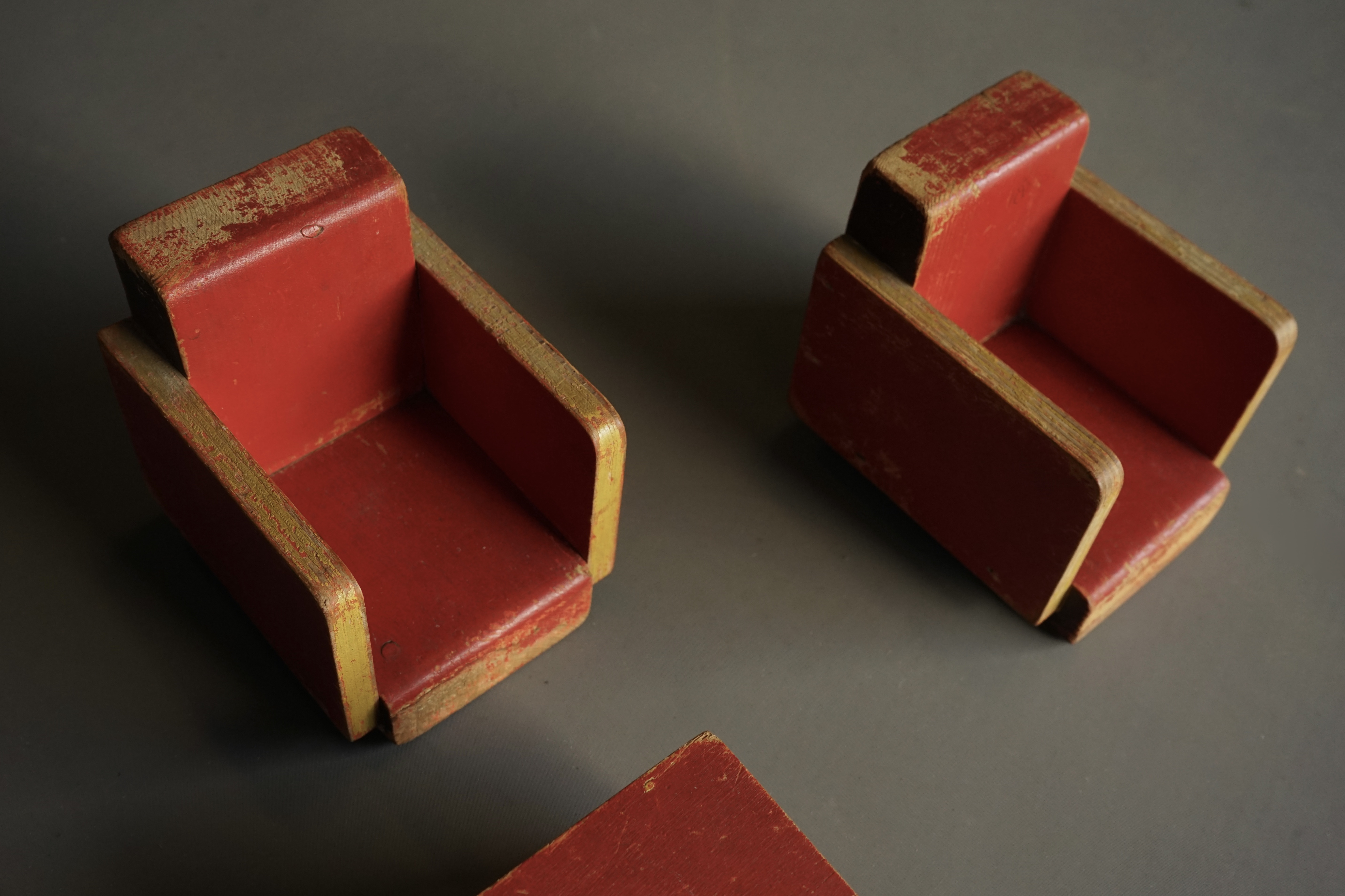
Two miniature club chairs and a side table (each piece with company labels and burnished markings)

Between 1925 and 1955 Dutch designer Ko Verzuu designed many toys under the influence of the Dutch Modernist De Stijl painters. His designs were inextricably bound up with innovations in art, health care and pedagogy in the first half of the 20th century. In 1920, the sanatorium Berg en Bosch was founded in the sanctuary on the outskirts of Apeldoorn – this sanatorium offered rest and care to tuberculosis patients. Once patients had recovered from their illness, returning to regular working life often proved to be difficult. In order to prepare patients better for their reintegration, the sanatorium developed a modern treatment: occupational therapy. One of the ways this took shape was in the production of wooden toys. These toys were given the name ADO; an abbreviation that initially stood for Arbeid door Onvolwaardigen (Labour by the Deficient), but was wisely changed in 1962 to Apart Doelmatig Onverwoestbaar (roughly translated as Special Functional Indestructible?)

Price: 1.250,00

http://www.merzbaufurniture.com
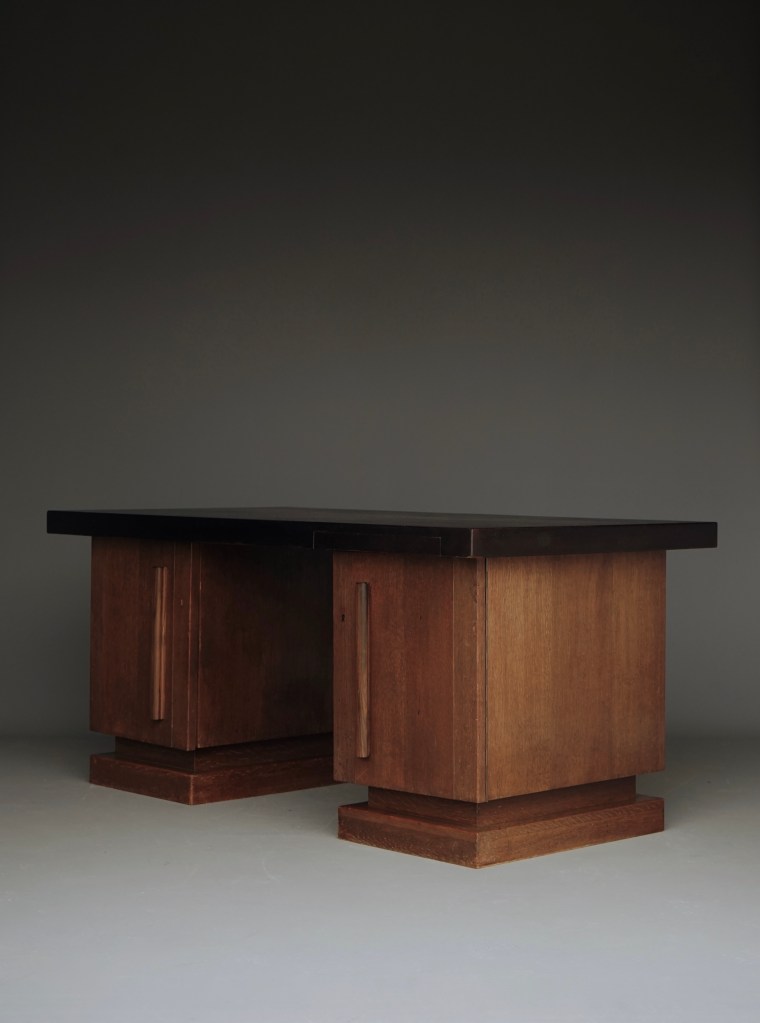
Hague School (early c20th)

Writing desk. Circa 1920s. oak and coromandel wood.

159.5cm wide x 84.5cm deep x 74.5cm high

A well proportioned sturdy desk in the Dutch art deco/modernist style. There are various compartments and pull out shelves inside. The top was once also brown but has been darkened to a very befitting dark brown/black. (Note: the locks are not working on the two doors)

Price: 3.200 euro

http://www.merzbaufurniture.com
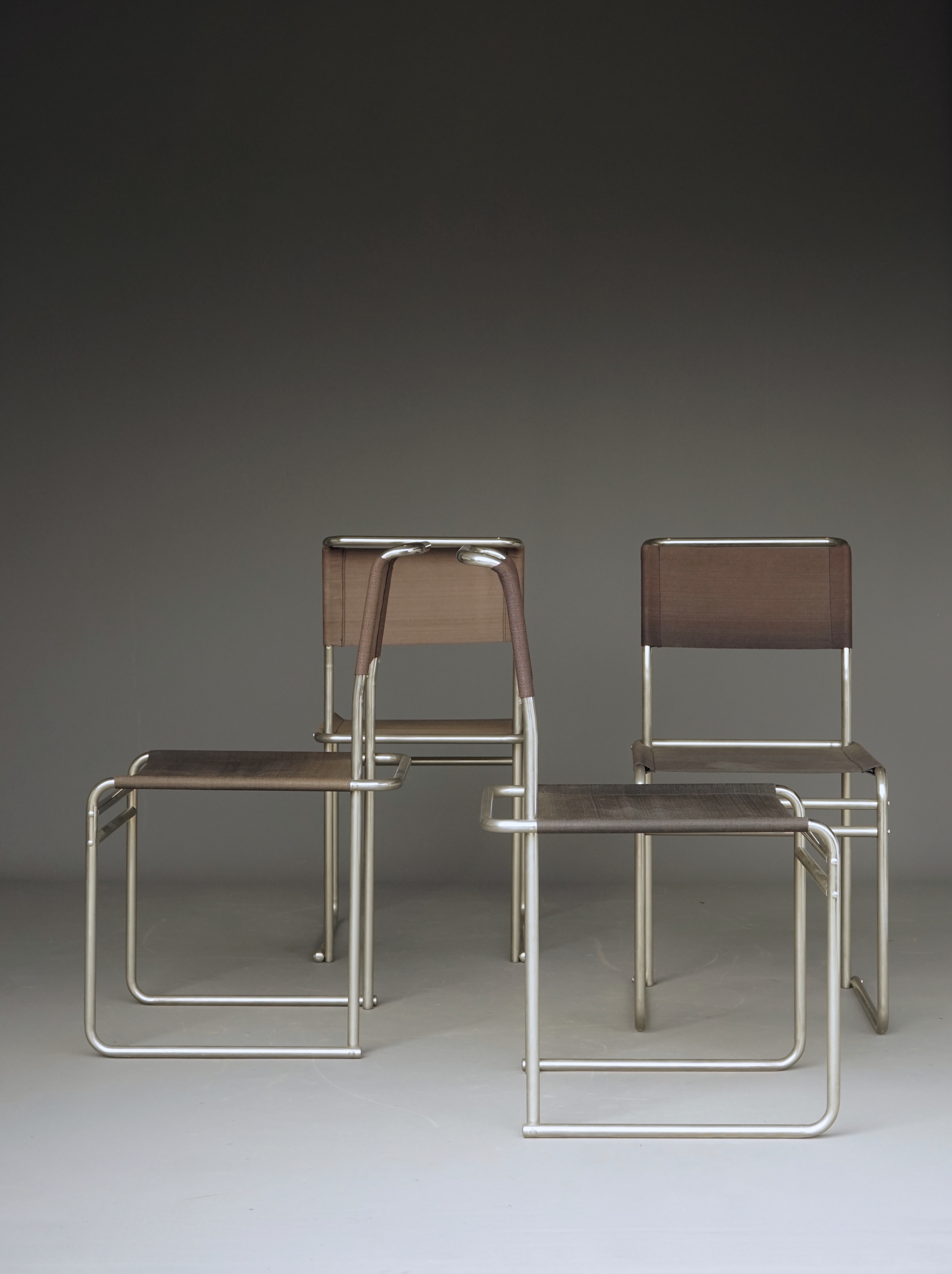
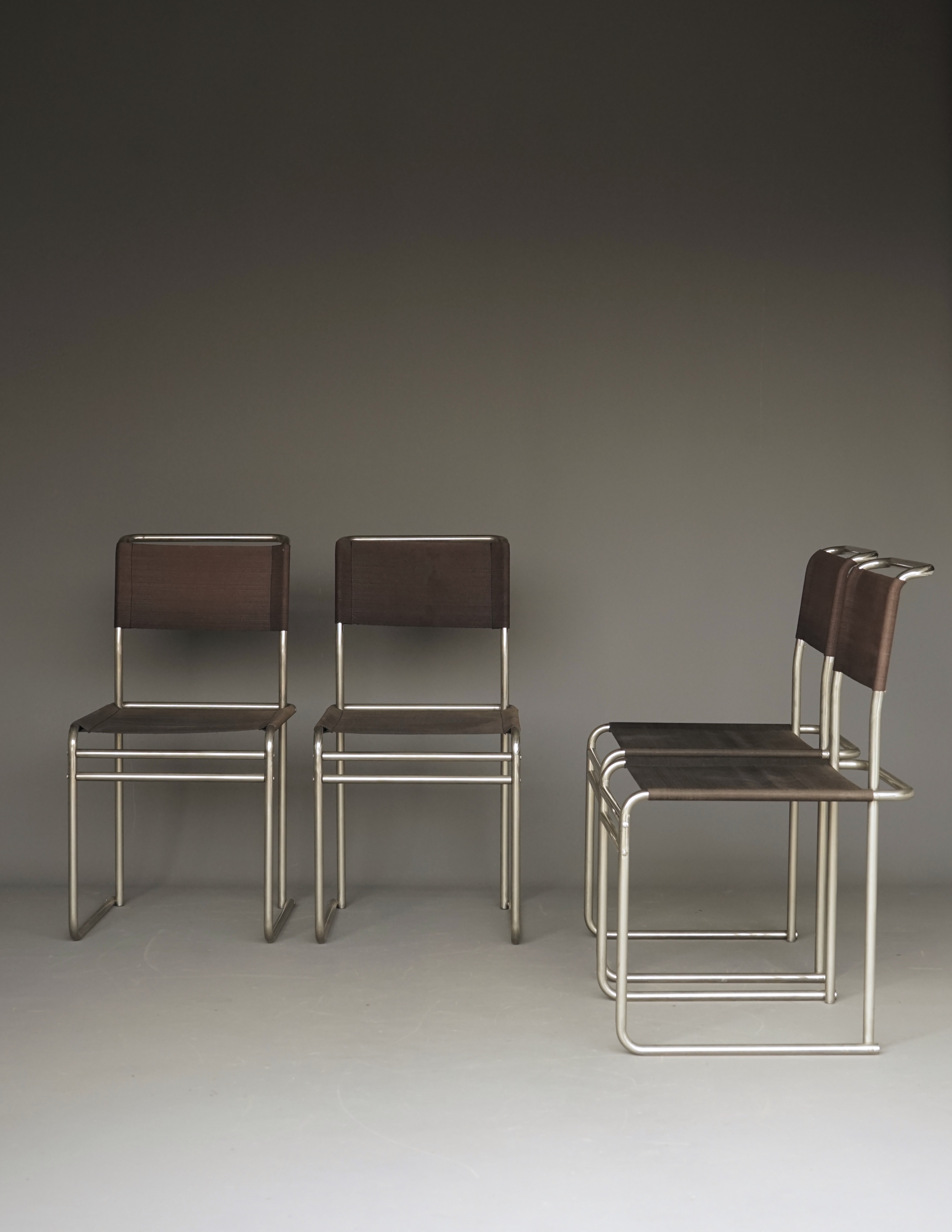
Marcel Breuer (Hn/USA 1902-81)

B40 Dining Chairs in Nickel-Plated Tubular Steel and Eisengarn fabric by Marcel Breuer for Tecta, 1980s. Set of 4

A rare set of four modernist chairs. Originally designed in the 1920s, this set were produced by Tecta who used sturdy eisengarn fabric common to Bauhaus chairs in the c20th (eisengarn labels to underside of seats). The tubular steel frames are very close the originals in nickel plated fine steel that makes them incredibly light and yet robust in their construction.

Price: 2.750 euro

http://www.merzbaufurniture.com
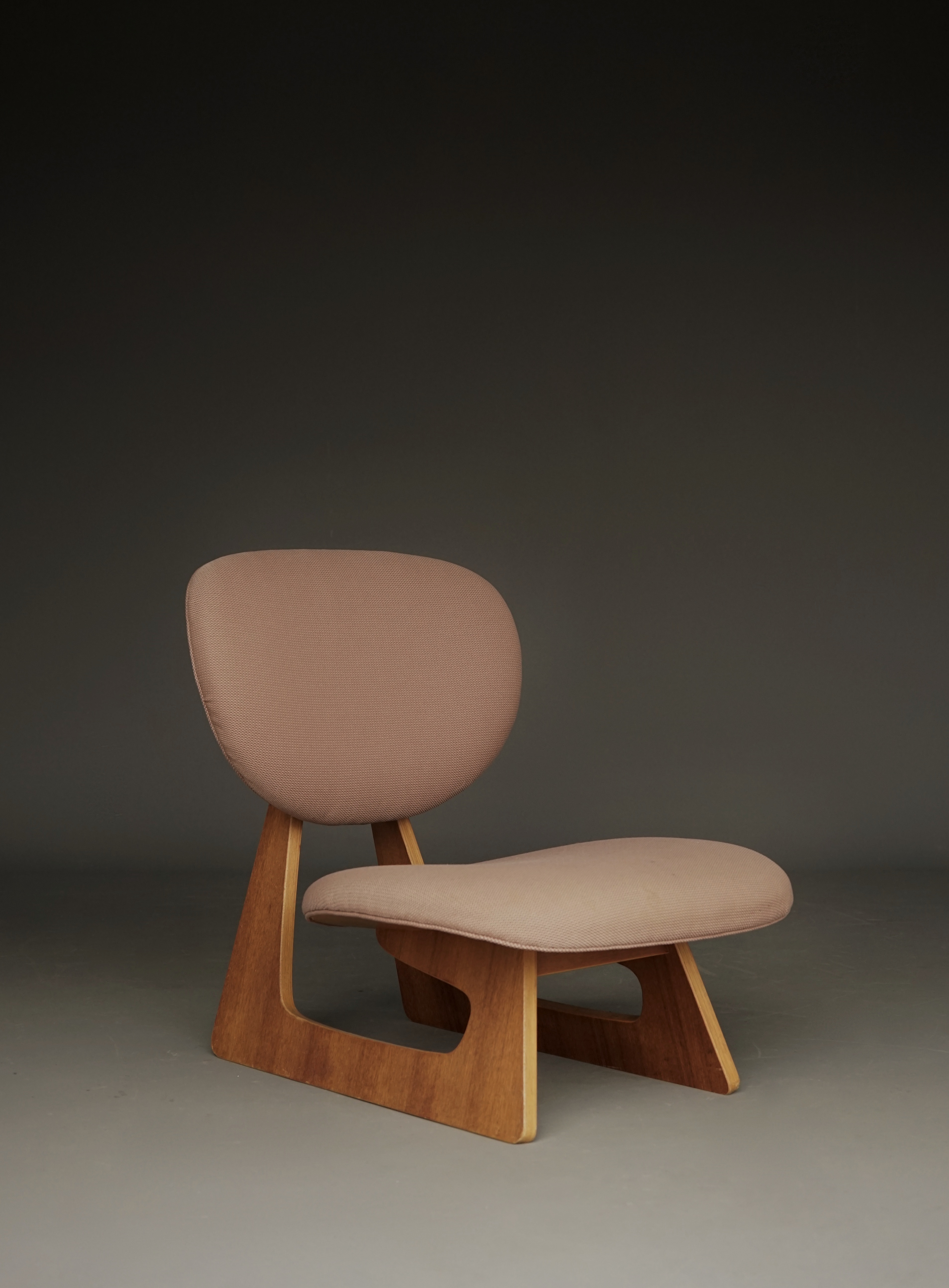
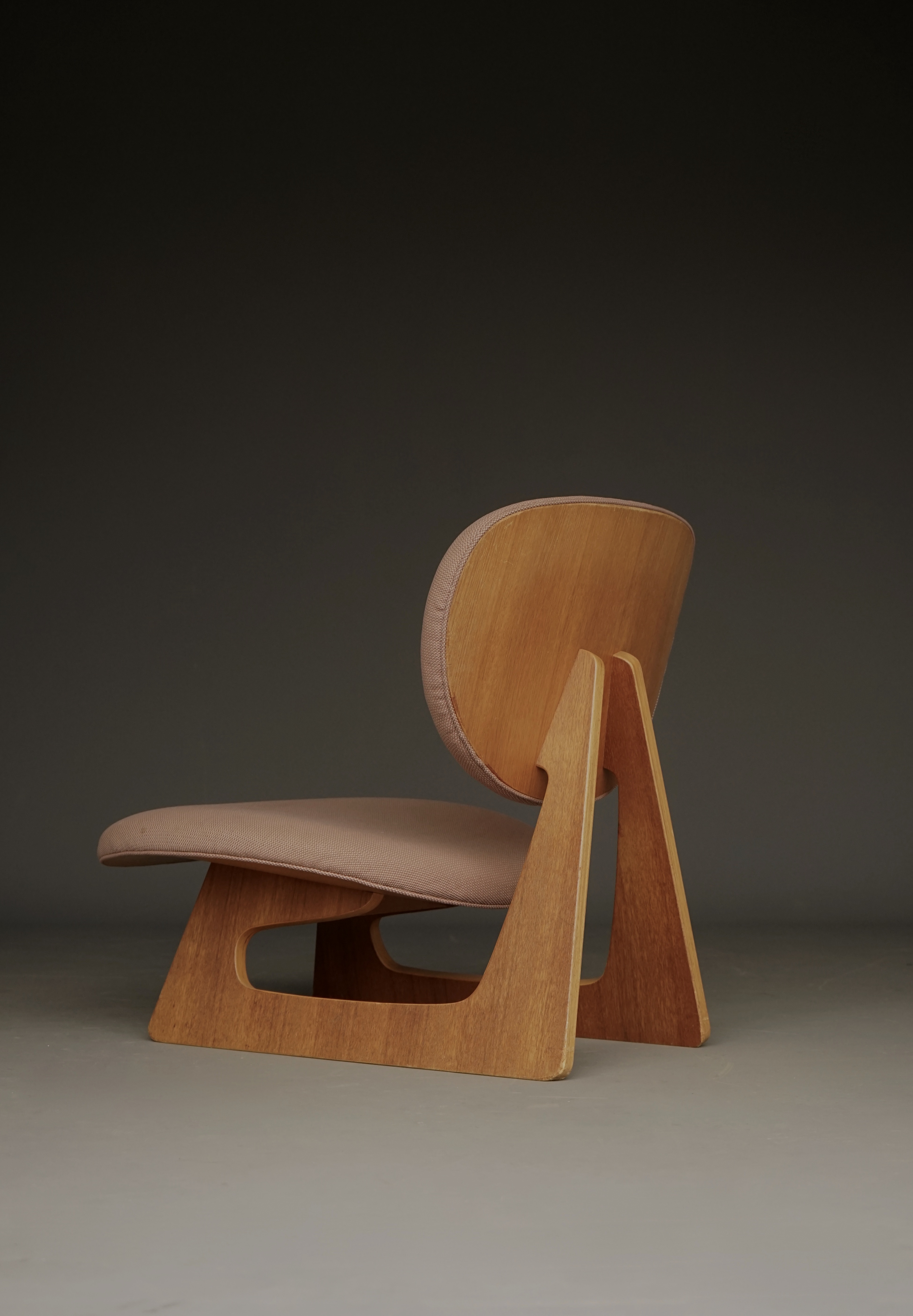
Junzo Sakakura and Daisaku Cho (Japan c20th)

Tendo, Japan. Circa 1970s. (makers label to back). Veneered plywood with original upholstery.

A scarce (outside of Japan) original Teiza Isu (low chair) model 5016 lounge chair. Designed in 1960 by Junzo Sakakura and Daisaku Cho who were prominent Japanese modernist figures who collaborated on iconic postwar furniture.

As the name “low chair” suggests, the low seat, at 29cm, allows you to sit cross-legged or with your legs stretched out. The rear of the seat is slightly sloped, and the thick cushion supports your body, allowing you to sit without straining your lower back.

Original fabric with some minor signs of age and use.

Price: 3.700 euro

http://www.merzbaufurniture.com
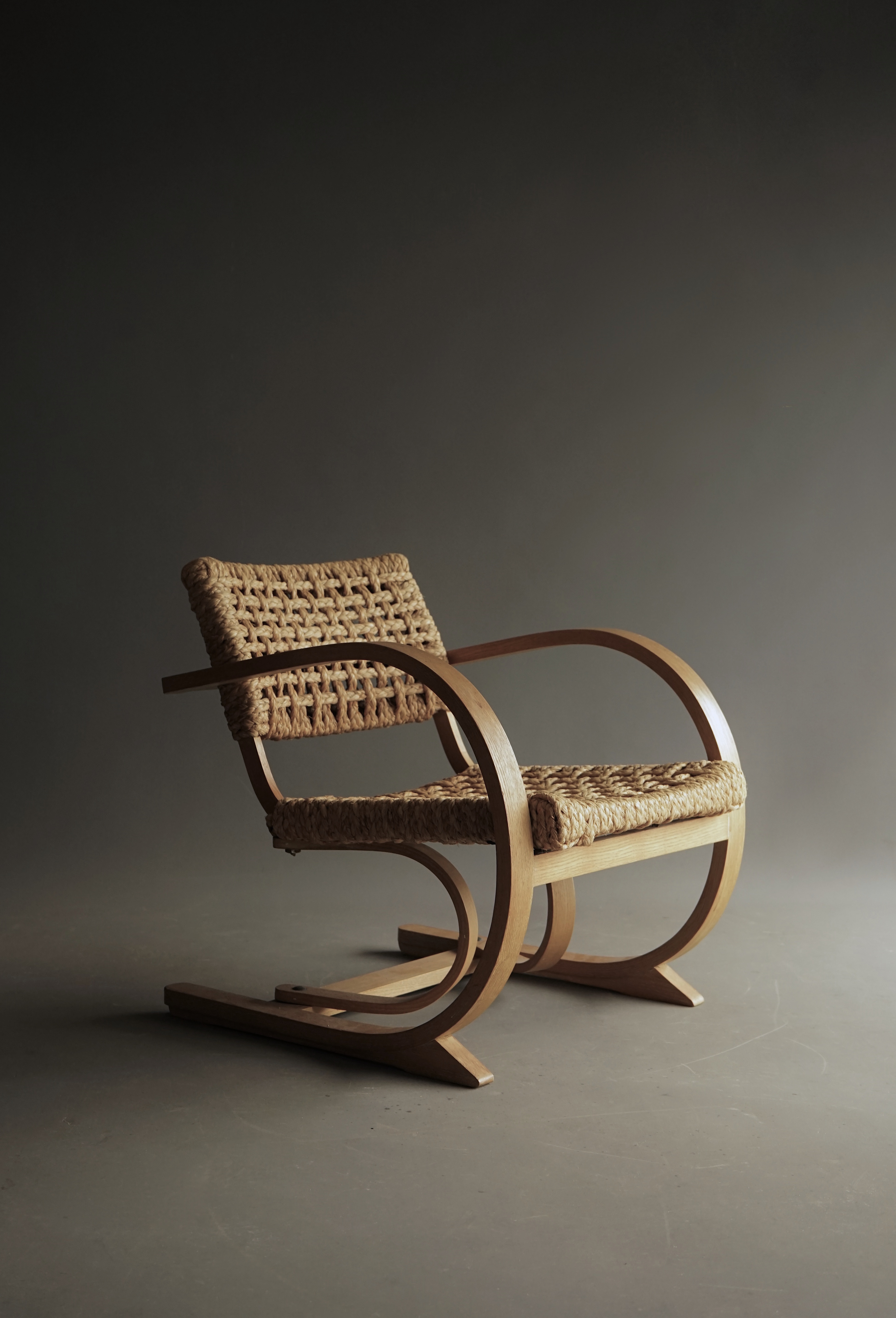
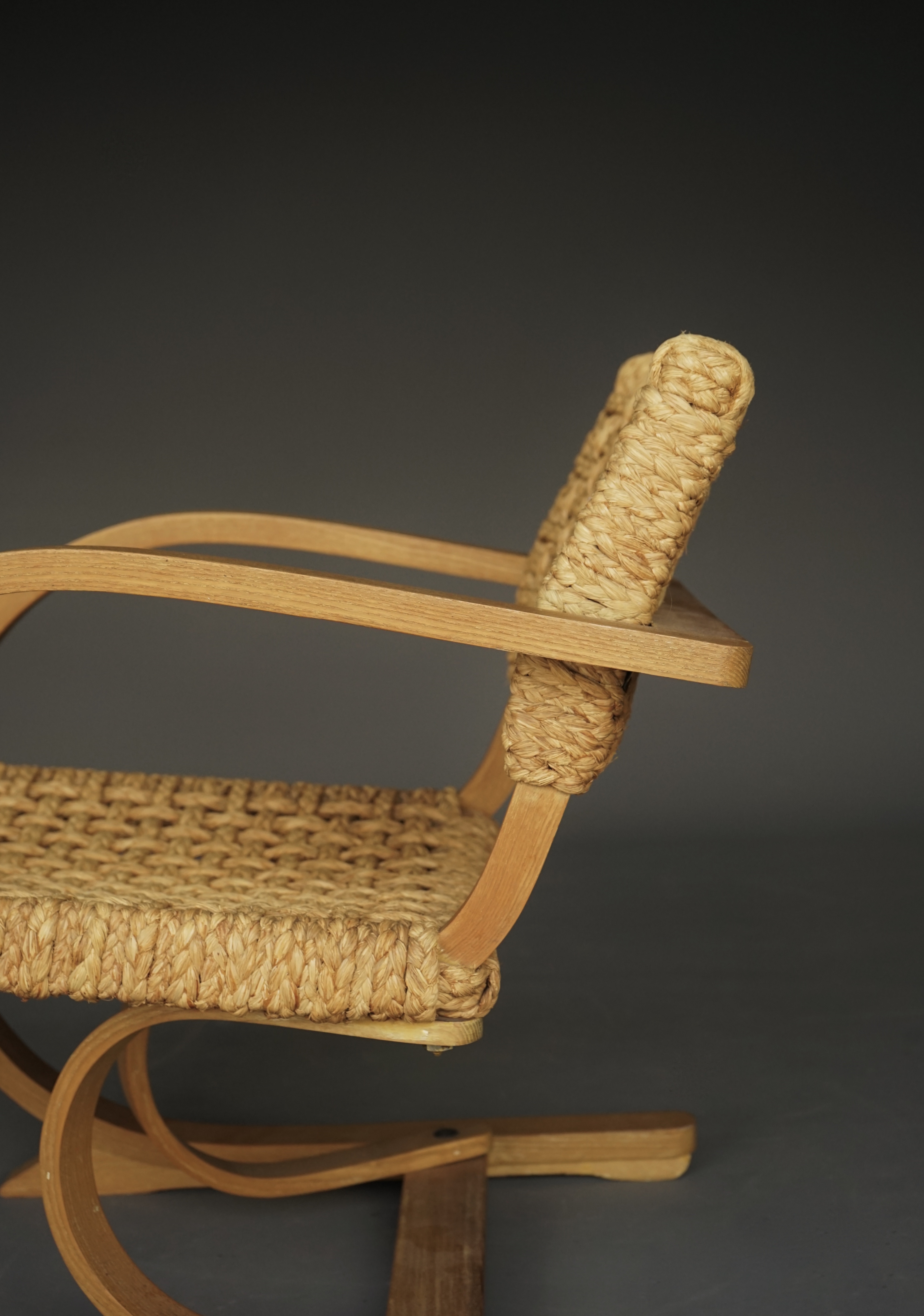
Bas van Pelt (Netherlands 1900-1945)

Oak framed cantilever chair with thick rope woven seat and back. 1930s. My Home/ The Hague.

58 x 68 x 66.5cm high (seat height 35.5cm)

Comfortable chair, designed by Bas van Pelt ca. 1936 for My Home Netherlands.
This chair, designed in 1936 was a precursor to the similar chairs by French designers Andoux & Minet (1940s/50s).

Examples can be found in the permanent collection of the Stedelijk Museum in Amsterdam. Documented in the book ‘My Home: Bas van Pelt, Binnenhuisarchitectuur 1931-95,’ P.Faber, Uitgeverij010.

Price: 3.250 euro

http://www.merzbaufurniture.com
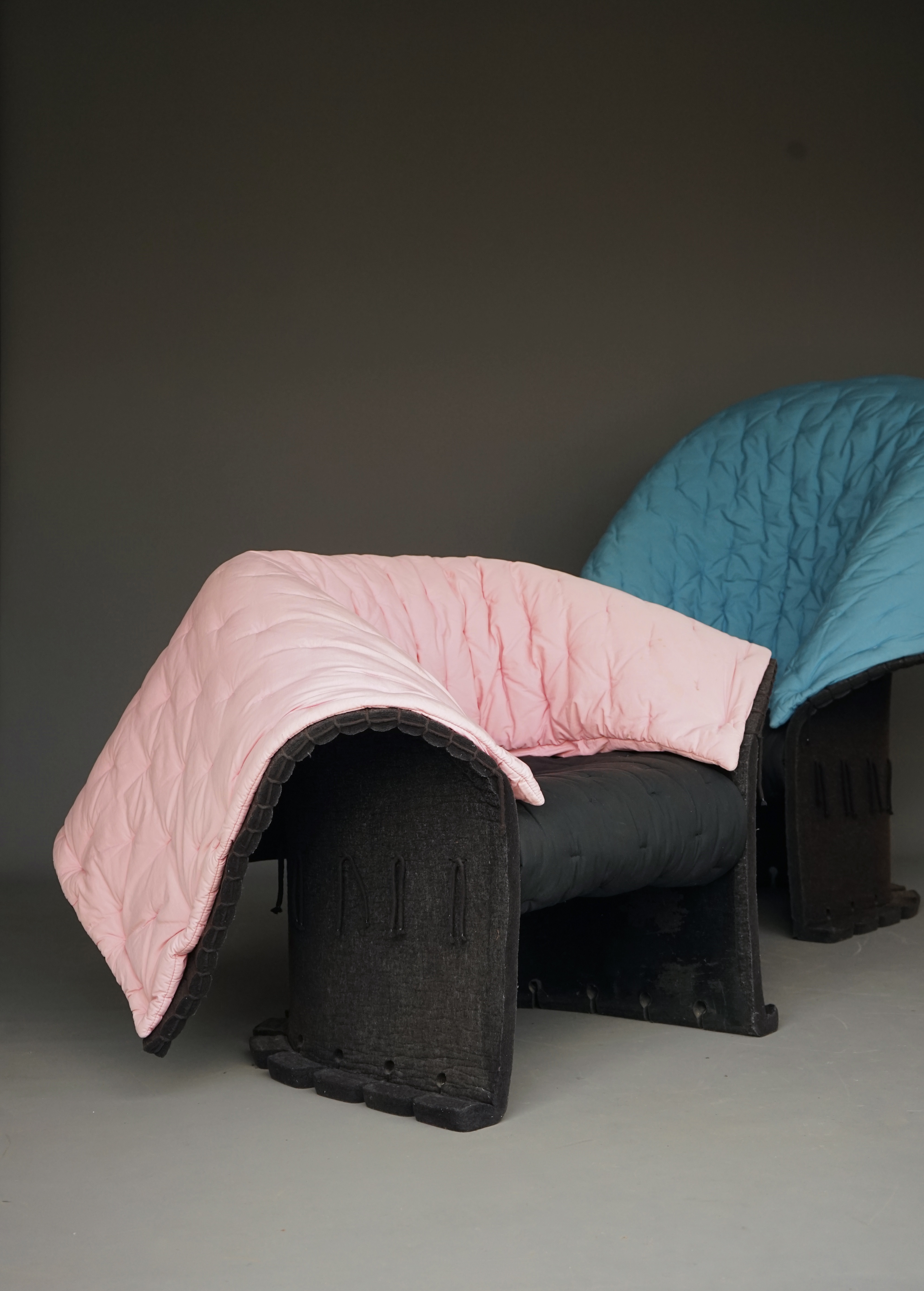
Gaetano Pesce (Italy 1939-2024)

Cassina 1980s. Designed by Gaetano Pesce in the 1980s this is a rare early low back edition feltri (felt) chair which was purchased from its first owner.

113cm wide (at its widest with quilt attached) x 83cm deep x 72cm high (seat height is 44cm)

The feltri chair is a radical 1980s Italian design that brought craft materials and thinking into the realm of product design. Pesce was aware (like the artist Joseph Beuys in the 70s) of the symbolism of felt as an industrial material – serving as a metaphor for warmth, survival and psychological protection. The feltri was manufactured with detachable quilt back and seat covers a variety of colourways  (like many products during the era) in order to appeal to the taste of customers. This chair has a black seat and extra back cushion and a light soft pink detachable quilt (the previous owner used it mostly without the quilt). 

Price: 3.900 euro

http://www.merzbaufurniture.com